
The fastest way to boost lobby convenience and add real revenue is a curated, visible grab-and-go micro market with self-checkout, positioned right in the main sightline. This article covers merchandising and assortment ideas, layout and tech choices, staffing and restock cadence, and the security and compliance details that separate a market that thrives from one that quietly loses money. Expect better convenience for employees or guests, a real shot at revenue uplift, and less staff time than a staffed pantry or café.
TL;DR:
- A visible, well-placed micro market can boost revenue through impulse buys and curated assortments tailored to time of day and local trends.
- Effective layout placement and appealing merchandising, such as endcap bundles and seasonal displays, significantly increase customer engagement and sales.
- Implementing reliable self-checkout technology and inventory telemetry reduces staffing needs while maintaining security and compliance standards.
- Starting with 150 to 200 carefully curated SKUs allows for better turnover and minimizes spoilage, especially when rotating local or limited-time items.
- A fully managed micro market service can eliminate upfront costs and ongoing management effort, making it accessible for facilities seeking a hands-off approach.
Table of Contents
- Lobby Micro Market Ideas for Design, Assortment, and Tech
- Curating an Assortment That Actually Sells
- Layout and Merchandising That Lift Impulse Sales
- The Tech and Payment Setup That Runs the Market for You
- What a Lobby Market Costs to Run and What to Expect
- From Overlooked Fridge to Revenue Driver: A Practical Case
- Security and Accessibility in an Unattended Lobby Market
- Staying Compliant With Health Codes in a Lobby Setting
- Where Lobby Markets Are Headed Next
- A Managed Micro Market Option Worth Considering
- Sources
- FAQ
Lobby Micro Market Ideas for Design, Assortment, and Tech
Good ideas fall into a few buckets: what people see first, what they buy on impulse, and what keeps the whole thing running without a cashier. Here are the ones worth testing first.
- Endcap bundle displays. Pair a protein bar with a cold-brew coffee at a discount. Bundling raises average check without adding a single new SKU.
- Local-brand pop-up shelf. Rotate in a regional snack or bakery item monthly. Local items build a sense of place and pull in repeat buyers who’d otherwise skip the market.
- Drink islands near the entrance. Refrigerated drink cases positioned at the door catch people the second they walk in, before they even register the rest of the market.
- Night-time meal kits. Stock a few heat-and-eat dinners for late shifts or hotel guests arriving after restaurants close. This single idea often justifies the whole market’s presence in 24/7 buildings.
- Seasonal capsule displays. Swap a small end shelf every few weeks (back-to-school, holiday gifting, summer hydration). Rotation signals the market is actively managed, not a forgotten fridge.
- Wellness corner. Group protein, low-sugar, and functional drinks together with simple signage. Health-focused shoppers scan for this cluster instead of hunting shelf by shelf.
- Travel-essentials shelf (hotels, coworking spaces). Phone chargers, toothpaste, aspirin. Low cost, high margin, and it solves a real problem on the spot.
- Coffee-and-pastry pairing near the kiosk. Put grab-and-go pastries within arm’s reach of the coffee station. Proximity alone drives add-on purchases.
- QR-code nutrition and sourcing info. A small code on the shelf tag links to ingredient or allergen details. It speeds up decisions for shoppers who’d otherwise hesitate and walk away.
- Contactless sampling stations. Individually wrapped sample-size items near new products. Sampling shortens the trust gap for anything unfamiliar on the shelf.
Pro Tip: Rotate one shelf every two weeks instead of the whole market. Constant novelty in a small footprint keeps regulars checking back without the labor cost of restocking everything.
Curating an Assortment That Actually Sells
Micro markets typically carry 150 to 400 products, far more than the roughly 40 items in a standard vending machine, and that range is your real lever. A small office lobby might sit near 150 tightly edited SKUs; a hospital or hotel lobby with heavier traffic can support closer to 400.
- Build by daypart: coffee and grab-and-go breakfast items up front in the morning, hot sandwiches and salads by midday, snacks and late-night meal kits after hours.
- Price for convenience, not discount retail. A modest premium over grocery is expected; the value is speed and location.
- Rotate two or three local or limited-time items monthly to keep the market feeling current.
- Label everything with price and basic nutrition info visible from arm’s length, so shoppers decide fast.
Operators who swap generic snacks for a curated, locally relevant mix often see revenue increases above 15% in a short window, mostly from higher average check rather than more shoppers.
Layout and Merchandising That Lift Impulse Sales
Placement decides more of your sales than product selection does. Design that’s integrated into the building’s layout, with clear sightlines from the main entrance or elevator bank, consistently outperforms a market tucked into a back hallway.
- Put the market where at least one wall is visible from the primary walking path, not around a corner.
- Mix open shelving with a refrigerated case up front; that mix maximizes browsing without blocking checkout flow. Jeeves Vending’s micro market layout guidance covers sightline planning in more depth.
- Use endcap promos and cross-merchandised bundles (chips next to salsa, coffee next to creamer) to nudge add-on purchases.
- Add discreet cameras and clear pricing signage. Visible price tags cut down on both confusion and shrink.
Pro Tip: Light the market brighter than the surrounding lobby. A few extra lumens make the space read as “open for business” instead of “forgotten fridge.”
The Tech and Payment Setup That Runs the Market for You
A micro market only works unattended if the kiosk and payment stack are solid. These are unattended, self-checkout retail spaces by design, which means the technology has to cover for the missing cashier.
- A self-checkout kiosk that accepts card, mobile wallet, and cash at minimum, so no shopper is turned away.
- Smart coolers with inventory telemetry that flag low stock automatically instead of waiting for a visual check.
- Optional integrations like room-charge billing for hotels or loyalty points for offices, which Jeeves Vending’s AI smart cooler systems support.
- Remote monitoring that tells the restock team exactly what’s low before a shelf ever looks empty.
Telemetry and smart coolers turn the market into a genuine profit engine rather than a maintenance headache, cutting the labor needed to keep shelves full around the clock.
What a Lobby Market Costs to Run and What to Expect
Two models dominate: a managed, zero-capex setup where a vending partner installs and stocks everything, or a buy-and-run model where the business owns the fixtures and handles restocking itself. The managed route removes upfront equipment cost and staff burden entirely.
- Restock cadence typically runs three times a week for lower-traffic lobbies, daily for high-volume ones like hospitals or large offices.
- Break-even depends more on visibility and assortment fit than foot traffic volume alone.
- Overstocking perishables is the most common early mistake. Start lean, then expand SKUs once sales data shows what actually moves.
- Poor visibility (a market hidden from the main path) is the single fastest way to underperform projections.
Dead stock quietly eats margin and shelf space that a rotating local item would use better.*
From Overlooked Fridge to Revenue Driver: A Practical Case
Underperforming lobby markets almost always trace back to poor curation and layout, not lack of demand. A hospitality operator that shifts a stale vending corner into a properly merchandised, visible micro market often sees improved revenue per square meter compared to a traditional restaurant outlet, along with lower payroll risk since the format runs unattended.
The pattern shows up again and again: simple fixes like relocating the market into a real sightline and swapping a few generic SKUs for local fresh items lift sales within weeks, not quarters.
A practical rollout checklist:
- Walk the lobby and pick the spot with the best natural sightline.
- Choose fixtures: open shelving plus at least one refrigerated case.
- Build a starter assortment of 150 to 200 SKUs weighted toward grab-and-go.
- Install the kiosk and test cashless payment before opening day.
- Set a restock schedule and revisit it after 30 days of sales data.
Facility teams weighing a change can request a site assessment to see what a properly placed market would look like in their own lobby.
Security and Accessibility in an Unattended Lobby Market
An unattended retail space in a busy lobby raises two separate concerns: keeping shrink low and making sure every visitor can actually use the market. Neither is solved by hoping people behave.
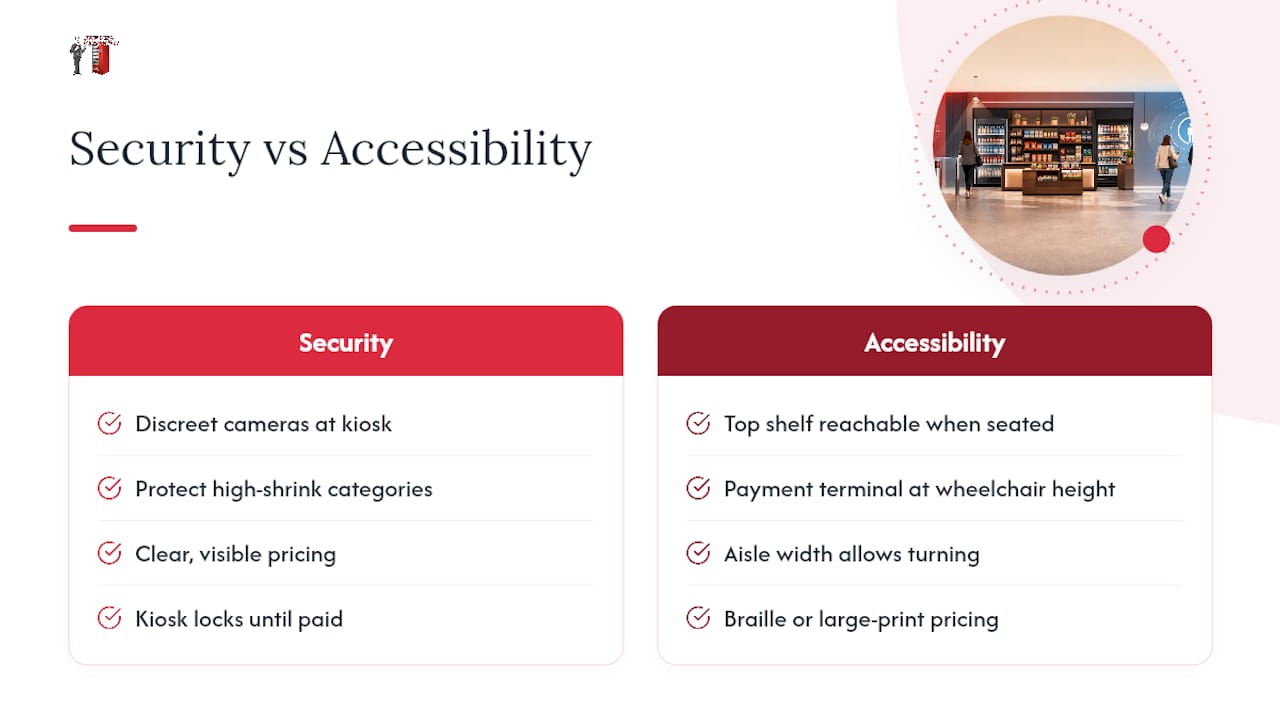
On security, discreet cameras aimed at the checkout kiosk and high-shrink categories (alcohol where permitted, premium snacks, small electronics) deter most casual theft without making the space feel like a fortress. Clear, visible pricing removes the ambiguity that sometimes leads to accidental non-payment, and a kiosk that requires a completed transaction before the case unlocks closes the biggest loophole in self-checkout retail. Some operators also cap high-value item quantities per transaction, which limits loss without slowing down legitimate shoppers.
Accessibility matters just as much, especially in lobbies serving hospitals, hotels, and public-facing offices. Shelving height should keep the top row within reach from a seated position, and at least one payment terminal needs a screen and card reader positioned for wheelchair access. Aisle width between fixtures should allow a wheelchair or mobility device to turn without backing out. Braille or large-print pricing on at least the highest-traffic shelves helps low-vision shoppers shop independently rather than needing staff assistance that usually isn’t there anyway. None of this is complicated to plan for at setup, but it’s expensive and disruptive to retrofit after the fixtures are bolted down.
Staying Compliant With Health Codes in a Lobby Setting
Public health departments classify micro markets as enclosed, unattended retail food facilities, which means they fall under the same general food-safety oversight as a small grocery counter, not under vending-machine rules alone. That distinction matters for anyone planning fresh or refrigerated items.
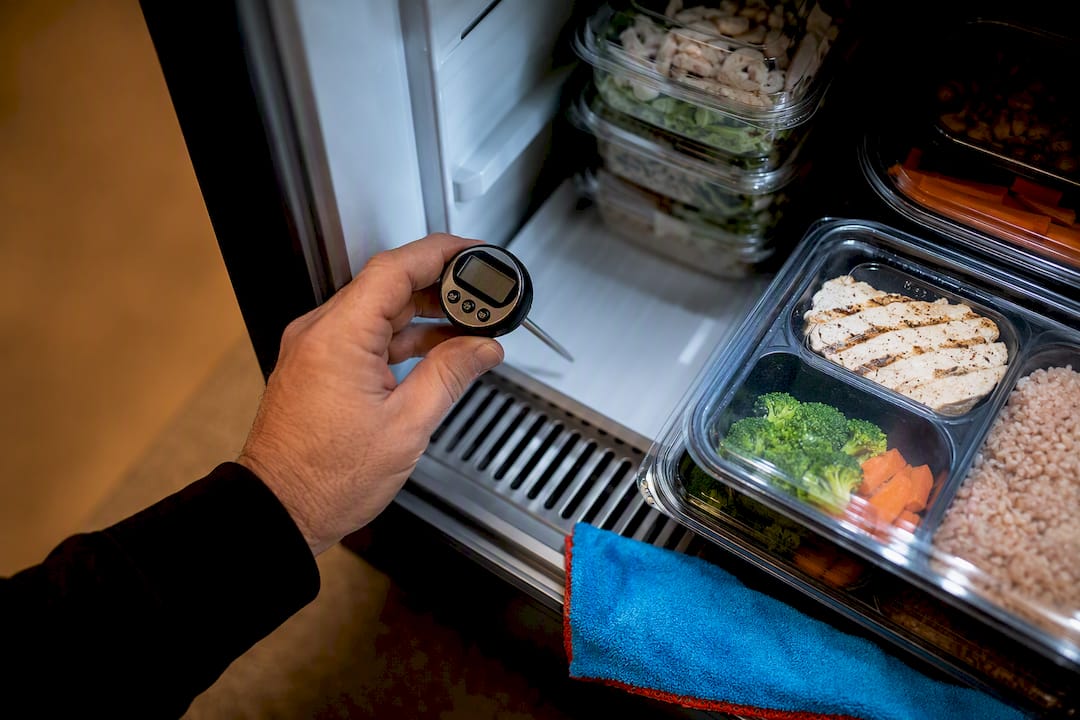
Refrigeration units need to hold safe temperatures continuously, and most jurisdictions expect operators to log temperature checks or use automated monitoring that alerts a manager when a cooler drifts out of range. Expiration dates need to be visible and enforced consistently. Because there’s no cashier checking dates at the register, that responsibility shifts entirely to the restock schedule and whoever manages inventory.
Local health departments, including agencies like Los Angeles County’s Environmental Health division, typically offer specific guidance documents for micro markets and maintain complaint hotlines if something goes wrong. Facility managers should check with their own local health authority before finalizing a fresh-food assortment, since rules on allergen labeling, hot food holding, and expiration tracking vary by jurisdiction. Industry groups like NAMA also publish operator training and best-practice materials that cover food-safety basics specific to the micro market format, which is worth a look before the first fresh item ever hits the shelf.
Where Lobby Markets Are Headed Next
Local sourcing and sustainability packaging will separate the markets people actually seek out from the ones they tolerate. Demand-prediction tools that flag which SKUs are about to spike are becoming standard rather than a luxury add-on.
Two moves pay off fastest: A/B test two assortments side by side for a month, and set up a simple feedback loop (a QR survey on the kiosk screen works fine). Track average check, SKU velocity, and shrink rate monthly. Those three numbers tell you almost everything else you need to know.
— Gary
A Managed Micro Market Option Worth Considering
If you’re weighing whether to build and run this yourself, A real shortcut is a fully managed micro market with no upfront equipment cost, so you skip the capital outlay and the hiring headache that comes with staffing an in-house pantry.
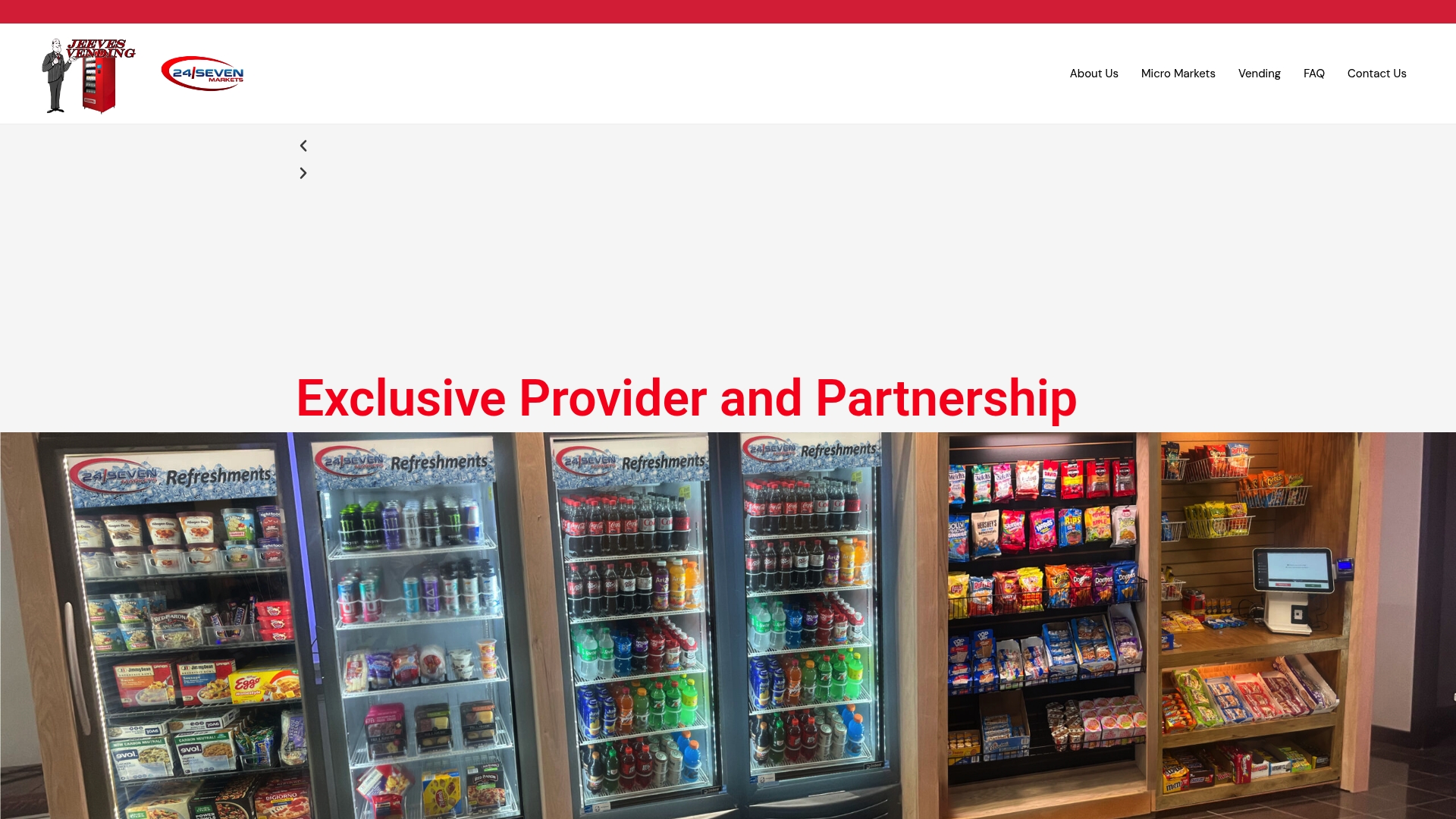
A site assessment walks your specific lobby, checks sightlines, and recommends fixture placement before anything gets installed. From there, the managed micro market program handles kiosk setup, cashless payment, restocking, and inventory monitoring on an ongoing basis, which means your facility team spends close to zero hours managing shelves compared to a self-run model. The free full-service vending program extends the same zero-cost approach to standard vending if a full micro market isn’t the right fit yet. If you’re ready to see what a properly placed market looks like in your own building, request a site assessment and get a layout recommendation specific to your lobby.
Sources
- Micromarket — Wikipedia
- It’s time to focus on micro-market design — VendingMarketWatch
- Los Angeles County Department of Public Health — Micro markets
- The hotel grab-and-go market — FnB for Travel
FAQ
What Are Some Examples of Micro Markets?
Common examples include office breakroom markets with refrigerated grab-and-go cases, hotel lobby markets that replace a small restaurant counter, hospital markets stocked with fresh meals for staff on odd shifts, and gym lobby markets focused on protein and hydration items.
What Are Some Profitable Stall or Shelf Ideas?
Endcap bundles pairing a snack with a drink, a rotating local-brand shelf, a wellness corner grouping protein and low-sugar items, and a night-time meal-kit section for late shifts consistently rank among the strongest performers.
How Do I Start a Micro Market in My Lobby?
Start with a site walk to find a spot with real sightlines from the main entrance, choose open shelving plus at least one refrigerated case, and build a starter assortment of roughly 150 SKUs. A free site assessment can cover this process without upfront equipment cost.
How Many Products Does a Typical Micro Market Carry?
Most micro markets stock between 150 and 400 products, depending on lobby size and traffic, compared to roughly 40 items in a standard vending machine.
How Often Should a Lobby Market Be Restocked?
Lower-traffic lobbies typically need restocking around three times a week, while high-volume locations like hospitals or large offices often require daily restocking to avoid empty shelves.