
Add perishables only where daily or near-daily turnover is realistic. Jeeves Vending can help facility managers design that mix, and the biggest risks to watch are spoilage, shrink, and mislabeled calorie counts.
TL;DR:
- Micro markets should limit perishable SKUs to locations with high foot traffic of over 100 daily transactions to reduce spoilage and waste.
- Applying the 80/20 rule ensures that 80% of space holds proven-sell SKUs while reserving 20% for rotation, seasonal, or test items for optimal space discipline.
- Fresh food categories like salads and grab-and-go meals are best in high-traffic sites with daily turnover capabilities, otherwise frozen or shelf-stable options are safer.
- Calorie labeling is legally required for operators with 20 or more vending machines, requiring clear signage on kiosks or shelf tags and use of “sell by” dates on perishables.
- A phased trial approach tests new SKUs over 4 to 8 weeks, with frequent early evaluation, to avoid cluttering the planogram with underperformers and maximize profitable space.
Table of Contents
- What Micro Market Product Selection Really Means
- Core Product-Selection Principles Facility Managers Should Use
- Product Categories and SKU Guidance: A Practical Assortment Blueprint
- Planogram, Space Allocation, and Running Tests
- Sourcing and Supplier Relationships
- Pricing and Margin Tactics for Healthy Top-Line Performance
- Compliance and Labeling Essentials
- Operations: Inventory Cadence, Shrink Control, and Data-Driven Updates
- Practitioner Checklist and Jeeves Vending Proof Points
- What the Data Actually Tells You to Prioritize
- Ready to Fix Your Micro Market Lineup? Here’s the Next Step
- Sources
- FAQ
What Micro Market Product Selection Really Means
A micro market is an open, self-checkout retail space with coolers, shelving, and a kiosk instead of a bank of vending machines. That format changes everything about product selection: instead of 30 to 40 slots behind glass, you’re managing anywhere from 150 to 300 SKUs on open shelves where shoppers can pick up, compare, and put back items freely.
That openness is exactly why the mix matters more here than in a standard vending setup. A cluttered or repetitive assortment reads as cheap; a well-curated one feels like a real convenience store shrunk down to break-room size. According to NAMA, the industry group defining the category, micro markets pair open-shelf and cooler access with self-checkout, which means the product mix itself becomes the main driver of repeat visits.
Fresh food gives you a real edge here, but only under the right conditions:
- High foot traffic (100+ daily transactions) supports daily fresh delivery without waste.
- Locations with fewer than 50 daily shoppers should stick to shelf-stable and frozen options.
- A smart cooler with predictable replenishment reduces spoilage risk for mid-traffic sites testing fresh items for the first time.
Core Product-Selection Principles Facility Managers Should Use
Start with the 80/20 planogram rule: roughly 80% of your space goes to core SKUs with proven sell-through, and 20% stays open for rotation, seasonal items, or new tests. This isn’t a suggestion. It’s the single most repeated piece of operational guidance among experienced operators, and it works because it forces discipline on space you’d otherwise fill with duplicate flavors of the same chip brand.
From there, apply these principles in order:
- Segment by shift, not by guess. A warehouse running three shifts needs grab-and-go breakfast options stocked for a 6 a.m. crowd, not just afternoon snacks.
- Balance classics against better-for-you options. Statista’s snack-preference data shows salty snacks and traditional sodas remain reliable revenue anchors even as demand for healthier items grows, so don’t drop the classics to chase a trend.
- Track four numbers weekly: sell-through rate, days-of-inventory on hand, margin per SKU, and spoilage rate on anything perishable.
- Cut anything below a 60% sell-through window over two restock cycles. If it’s not moving, it’s occupying space a better SKU could use.
Curating the mix around a specific workplace’s demographics and shift patterns, rather than shipping a generic assortment to every site, is what separates a break room people actually use from one they tolerate, according to Cantaloupe’s operator guidance.
Pro Tip: Pull sell-through data by hour, not just by day. A snack that looks mediocre on a weekly report might be crushing it during the 2 p.m. slump and dead the rest of the time. That’s a stocking-time fix, not a delisting decision.
Product Categories and SKU Guidance: A Practical Assortment Blueprint
A workable starting blueprint for a mid-size lobby or break-room micro market breaks down roughly like this:
- Refrigerated beverages (25 to 35 SKUs): water, sparkling water, sports drinks, cold-brew coffee, kombucha, and at least two dairy-free options.
- Ambient beverages (10 to 15 SKUs): sodas, energy drinks, and shelf-stable juices for shoppers who skip the cooler line.
- Salty snacks (20 to 25 SKUs): chips, pretzels, and crackers, weighted toward single-serve bags sized for one sitting, not family packs.
- Candy and treats (15 to 20 SKUs): chocolate, gummy candy, and pastries, kept visible but not dominant.
- Better-for-you snacks (20 to 25 SKUs): protein bars, nuts, jerky, and baked chip alternatives. If you’re building this category out, protein-forward snacks tend to outperform generic “healthy” labeling alone.
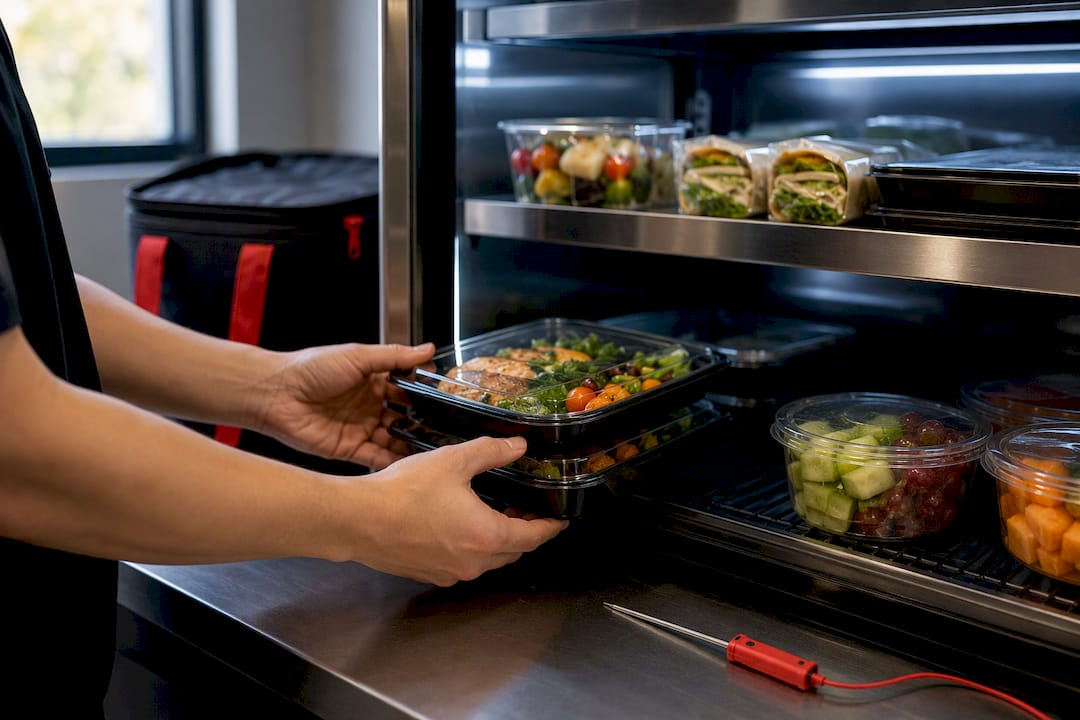
- Fresh grab-and-go meals and salads (10 to 20 SKUs): sandwiches, wraps, salads, and yogurt parfaits, sized for one meal and dated clearly.
- Microwavable meals (10 to 15 SKUs): entrées and sides that hold up in a shared microwave without drying out.
- Coffee and dispensed drinks (5 to 10 SKUs): single-serve coffee, tea, and hot chocolate options.
- Toiletries and convenience items (10 to 15 SKUs): pain relievers, phone chargers, feminine care, and mints.
Portion sizing matters more in a self-service format than in traditional retail. Shoppers grabbing a snack between meetings want something they can eat in one hand without a fork, so single-serve packaging beats bulk sizing almost every time in this environment. Hydration choices deserve their own attention too. Water intake guidance from Harvard Health supports stocking multiple water formats, still and sparkling, since preference splits fairly evenly among office populations.
Fresh food carries the highest reward and the highest risk in this list. The rule of thumb: don’t stock a perishable SKU unless you can move it within 24 to 48 hours. If a location’s traffic can’t support that turnover, the safer move is a smart cooler with tighter replenishment cycles rather than pulling fresh food off the shelf entirely and losing the category’s margin advantage.
Planogram, Space Allocation, and Running Tests
Cooler space should skew toward your highest-margin refrigerated items, beverages and fresh grab-and-go, since that’s where shoppers spend the most per visit. Shelving nearer the checkout kiosk is prime impulse territory: candy, protein bars, and small toiletries sell better there than buried in the back row.
A phased test approach keeps new SKUs from cluttering the planogram indefinitely:
- Run new items in the 20% rotation zone for a 4 to 8-week trial period, the window most operators use to judge a new SKU fairly.
- Check sell-through data at the two-week and six-week marks rather than waiting for the trial to end.
- Promote a trial SKU to the core 80% only if it beats the category average sell-through by the trial’s midpoint.
- Retire anything underperforming by week six. Don’t wait out a full quarter on a SKU that’s clearly not working.
Pro Tip: Keep a simple spreadsheet log of every trial SKU’s start date and checkpoint numbers. Without it, “let’s give it more time” becomes the default decision, and that’s how dead stock accumulates.
Sourcing and Supplier Relationships
Your supplier mix should match category risk. National distributors work well for shelf-stable snacks and beverages where consistency and case-pricing matter more than freshness. A local fresh provider makes sense for grab-and-go meals and salads where delivery speed protects your turnover window. Consolidated brokers can fill gaps for lower-volume specialty items without forcing you into a dozen separate vendor relationships.
Order cadence should follow product type, not a single blanket schedule:
- Fresh grab-and-go items: daily or every other day, depending on cooler capacity.
- Shelf-stable snacks and beverages: weekly to biweekly.
- Frozen and toiletry items: monthly, since shrink risk is lower and storage is cheaper.
Watch minimum order quantities closely with new suppliers. A minimum that forces you to overbuy a slow-moving category defeats the purpose of tight assortment planning. On negotiation, push for return allowances on unsold perishables, promotional support (in-kiosk signage, first-order discounts), and a trial allowance period before committing to a full case-pack schedule.
Pricing and Margin Tactics for Healthy Top-Line Performance
Pricing in a micro market has more room to flex than vending because shoppers can compare items side by side, but that flexibility cuts both ways.
- Use keystone pricing (roughly double your cost) as the default for salty snacks and candy, where price sensitivity is lower.
- Apply tighter margins on fresh food and beverages, since these categories compete more directly with nearby convenience stores and gas stations.
- Run short promotions, not permanent discounts. A one-week “new item” price cut drives trial without training shoppers to expect a lower price permanently.
- Build spoilage and shrink into your target margin upfront, not as an afterthought. If a category historically loses 5% to waste, price it to absorb that loss rather than discovering the gap at month’s end.
Compliance and Labeling Essentials
If your micro market program spans 20 or more machines under one operator, 21 CFR § 101.8 requires clear calorie declarations wherever a shopper can’t examine a standard Nutrition Facts label directly. Smaller operators can register voluntarily or opt into the federal standard to sidestep a patchwork of conflicting state and local labeling rules.
Compliance snapshot: Operators with 20+ vending machines must post calorie counts where labels aren’t visible to shoppers; smaller operators may register with the FDA voluntarily.
Practical labeling steps for kiosks and fresh single-serve items:
- Post calorie counts on the kiosk display screen or on shelf tags directly beneath each SKU.
- Date every fresh item with a clear “sell by” or “use by” stamp, not just a production date.
- Keep supplier traceability records for anything perishable in case of a recall.
The FDA’s menu labeling guidance covers implementation details for self-service points of sale, and it’s worth a bookmark for anyone managing a mixed vending and micro market fleet.
Operations: Inventory Cadence, Shrink Control, and Data-Driven Updates
Restock frequency should track shelf life, not convenience. Fresh grab-and-go items need daily or near-daily visits. Shelf-stable snacks and beverages can run on a weekly cycle without risking stockouts.
- Fresh food and dairy: daily to every other day.
- Salty snacks, candy, beverages: weekly.
- Frozen items and toiletries: biweekly to monthly.
Remote monitoring through a vending management system (VMS) flags low-stock slots before they go empty, which matters more in a micro market than in traditional vending since a bare shelf is far more visible to shoppers than a single sold-out vending slot. That same system data should feed monthly reviews focused on three shrink-control numbers: theft-related loss percentage, expired-product write-offs, and slow-mover count. Tracking those three consistently catches problems long before they show up as a revenue drop.
Practitioner Checklist and Jeeves Vending Proof Points
Before signing with any provider, walk through this checklist:
- Confirm expected SKU range for your traffic level (a lobby micro market typically runs 150 to 200 SKUs).
- Ask for reporting access, not just a promise of “regular check-ins.”
- Get restock cadence in writing, broken down by product category.
- Clarify freshness guarantees on perishable items and who eats the cost of spoilage.
- Get a firm installation timeline before signing anything.
Jeeves Vending installs state-of-the-art vending machines and custom micro-markets at no cost to businesses across the Dallas and Denton region, using modern stocking and maintenance technology so facility teams aren’t managing inventory logistics themselves. That combination of remote monitoring and flexible restocking is exactly what the checklist above is designed to verify before you commit to any provider.
What the Data Actually Tells You to Prioritize
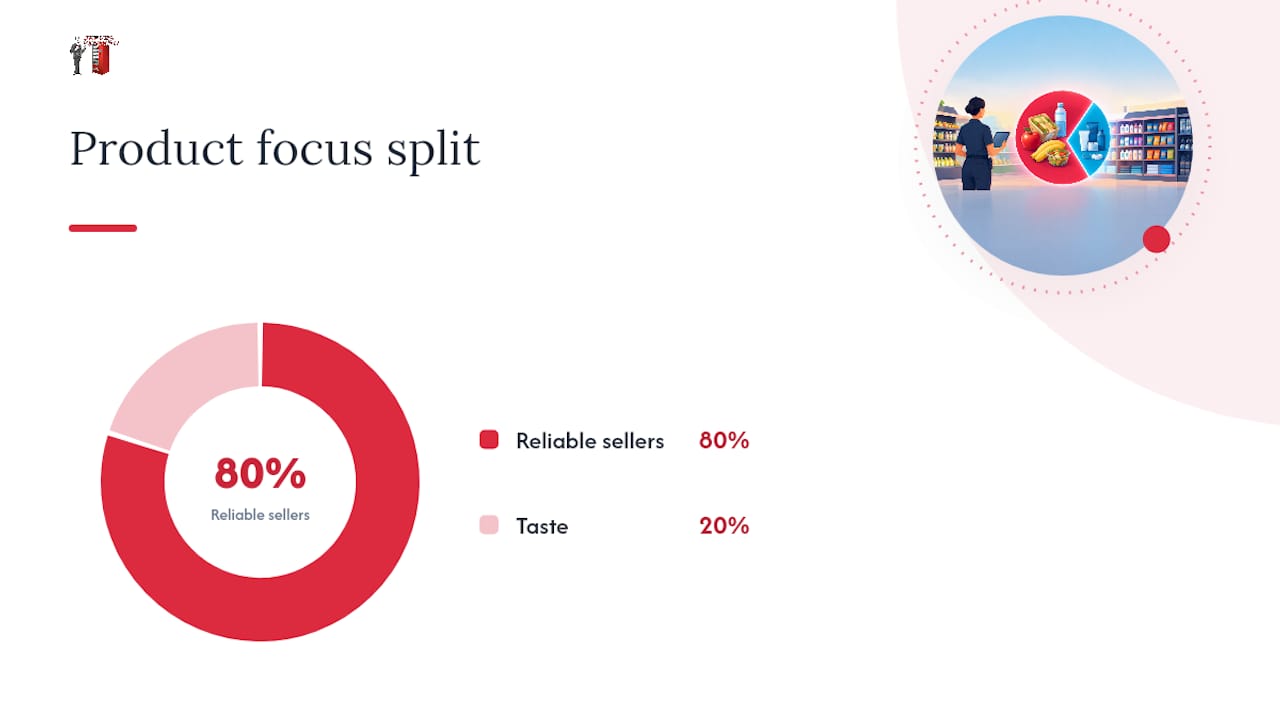
Most micro market advice treats product selection as a taste question: what do people like to eat? That’s the wrong starting point. The research consistently points to turnover and space discipline first, taste second. The 80/20 rule works precisely because it removes the temptation to stock what sounds appealing rather than what sells reliably.
The conventional advice oversells fresh food. Everyone wants the salads and grab-and-go meals because they photograph well and feel modern, but a location that can’t move perishables daily is better off skipping the category entirely and putting that cooler space toward a wider beverage selection. Waste kills margin faster than a boring shelf ever will.
If there’s one thing facility managers should fix first, it’s the compliance gap. Calorie labeling gets treated as an afterthought when it’s actually a legal requirement for larger operators and a trust signal for everyone else. Get the labeling right before you obsess over the sixth flavor of protein bar.
— Gary
Ready to Fix Your Micro Market Lineup? Here’s the Next Step
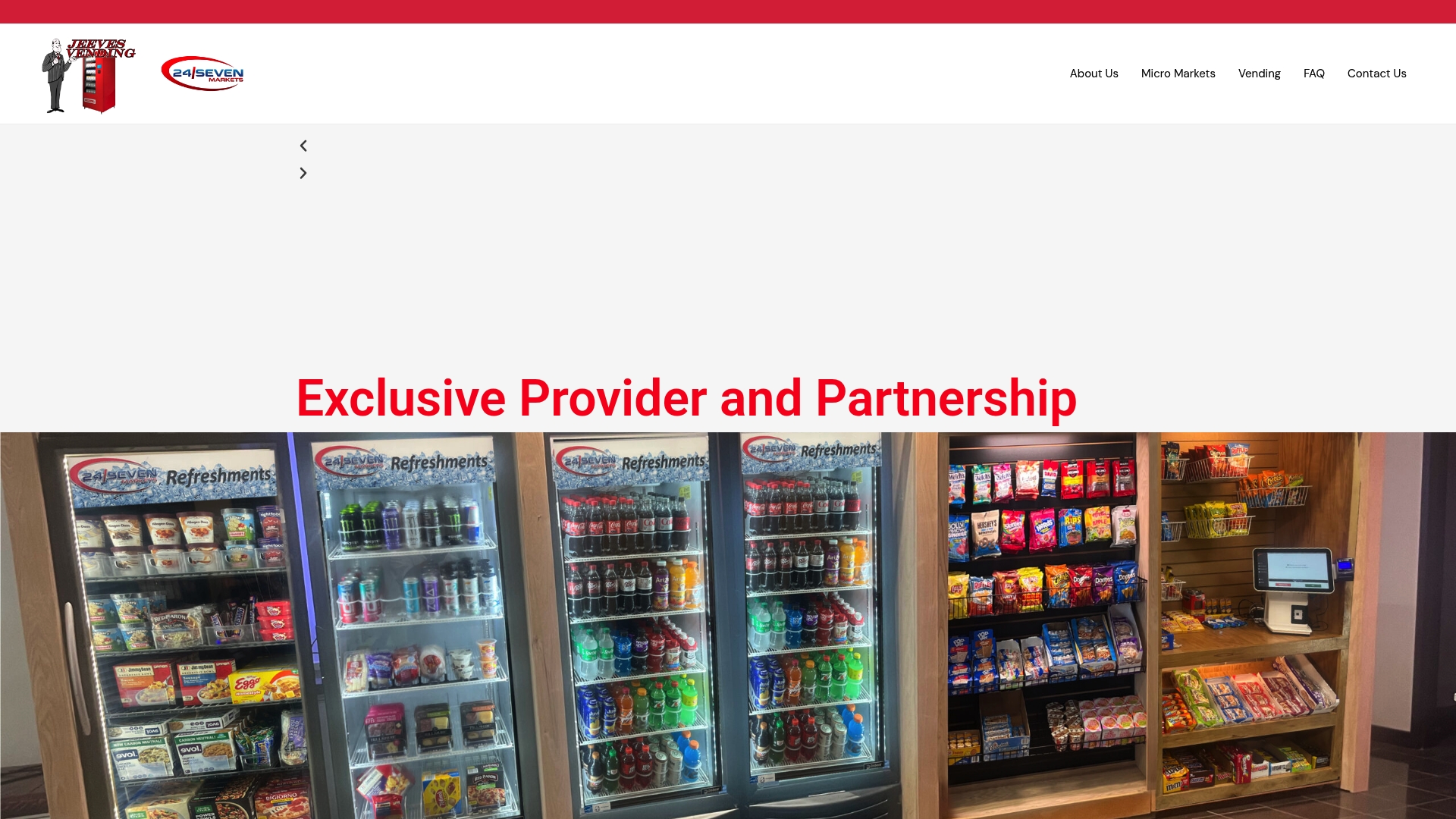
Custom micro markets are often built and installed at zero upfront cost, making the assortment guidance practical. A typical lobby installation may run 150 to 200 SKUs across beverages, snacks, fresh grab-and-go, and convenience items, managed with remote monitoring that flags low stock before shoppers notice an empty shelf.
Before you sign with any vending or micro market provider, ask three questions: What’s the installation timeline from signed agreement to opening day? How flexible is the SKU mix once traffic data comes in? And what reporting access do you get, real-time or monthly summary? A provider that hesitates on any of those three is telling you something.
Facility managers evaluating options can request a free full-service vending program consultation with no cost to the host business, or go straight to a site assessment through Jeeves Vending’s micro-markets page to get SKU planning and installation timing mapped out for your specific location.
Sources
For the federal calorie-declaration requirement, see 21 CFR § 101.8 and the FDA’s menu labeling guidance. NAMA’s micro markets overview covers industry-standard definitions and operational best practices, while VendingMarketWatch’s planogram guide breaks down the 80/20 space-allocation approach referenced throughout this article.
- 21 CFR § 101.8 — Calorie declaration
- FDA menu labeling guidance
- Micro Markets — NAMA
- How to create your micro market planogram — VendingMarketWatch
FAQ
What Is the 80/20 Rule in Micro Market Product Selection?
This keeps the core assortment reliable while still giving the market room to test new products, according to VendingMarketWatch’s planogram guidance.
How Many SKUs Should a Micro Market Carry?
Most lobby and break-room micro markets carry between 150 and 200 SKUs across beverages, snacks, fresh grab-and-go items, and convenience products. The exact count depends on foot traffic and available cooler and shelf space.
When Do Calorie-Labeling Rules Apply to Vending Operators?
Federal calorie-declaration rules under 21 CFR § 101.8 apply to operators who own or run 20 or more vending machines. Smaller operators can register voluntarily with the FDA to follow the same standard.
Should Every Micro Market Offer Fresh Food?
Fresh food works best in locations with enough daily traffic to move perishables within 24 to 48 hours; lower-traffic sites should skip fresh items or use a smart cooler with tighter replenishment cycles instead. Stocking fresh food without sufficient turnover leads to waste that erodes the category’s margin advantage.
How Does Jeeves Vending Handle Product Selection for a New Micro Market?
Jeeves Vending installs custom micro-markets at no upfront cost to the host business and uses remote monitoring to track sell-through and trigger restocking. Facility managers can request a site assessment to get a SKU plan tailored to their location’s traffic and shift patterns.