
A pre-workout snack vending strategy is a planned approach to stocking, placing, and timing gym vending machines so members get the right fuel before they train. Gym-goers who eat correctly before a session can improve workout capacity by 12–15% compared to training on an empty stomach. That gap is real, and a well-run vending setup closes it. Jeevesvending builds exactly this kind of system for fitness facilities across the Dallas-Denton region, pairing refrigerated machines with data-driven inventory to match what members actually need.
What makes a great pre-workout snack vending strategy?
The nutritional science behind pre-workout eating is clear. Carbohydrates are the primary fuel for high-intensity exercise, and easily digestible carbs consumed close to training reduce digestive distress while delivering fast energy. Fat, excess protein, and fiber slow gastric emptying, which means they belong further from your session, not 20 minutes before you squat.
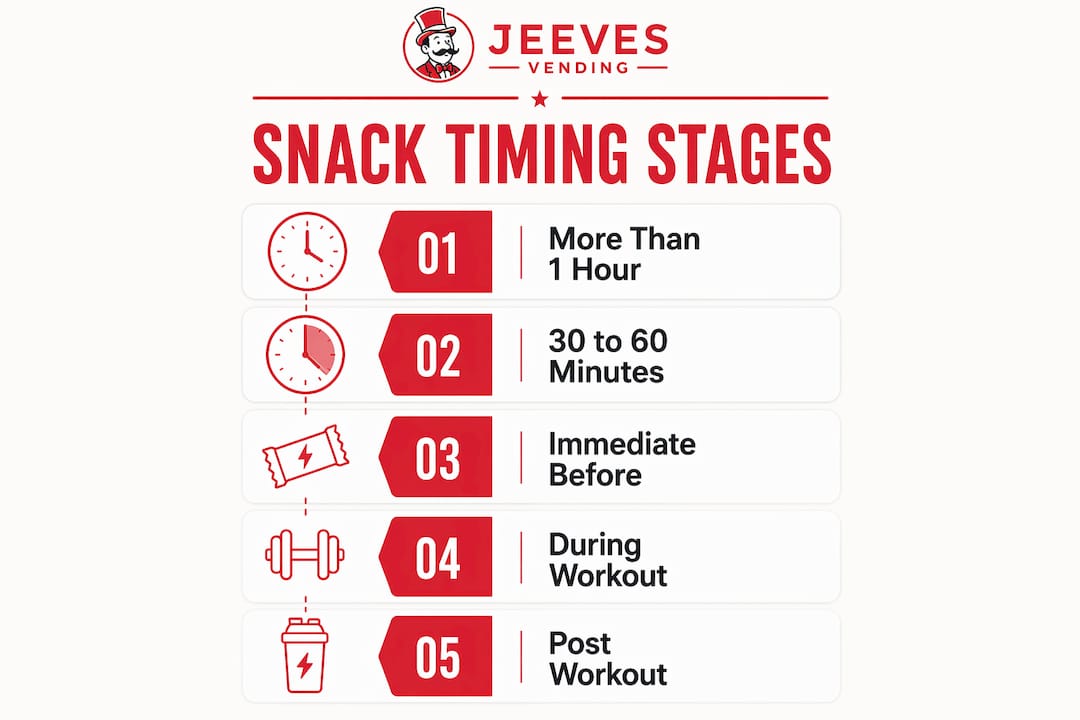
Timing determines which snacks belong in your machine. The 30–60-minute window before training calls for simple, fast-digesting options: bananas, rice cakes, pre-workout energy shots, and electrolyte drinks. The 1–2-hour window allows slightly more substance, such as a small granola bar, a low-fat yogurt pouch, or a light protein bar with moderate carbs. Pre-workout nutrition that includes both carbohydrates and some protein supports energy availability and reduces muscle breakdown during sessions longer than 45 minutes.
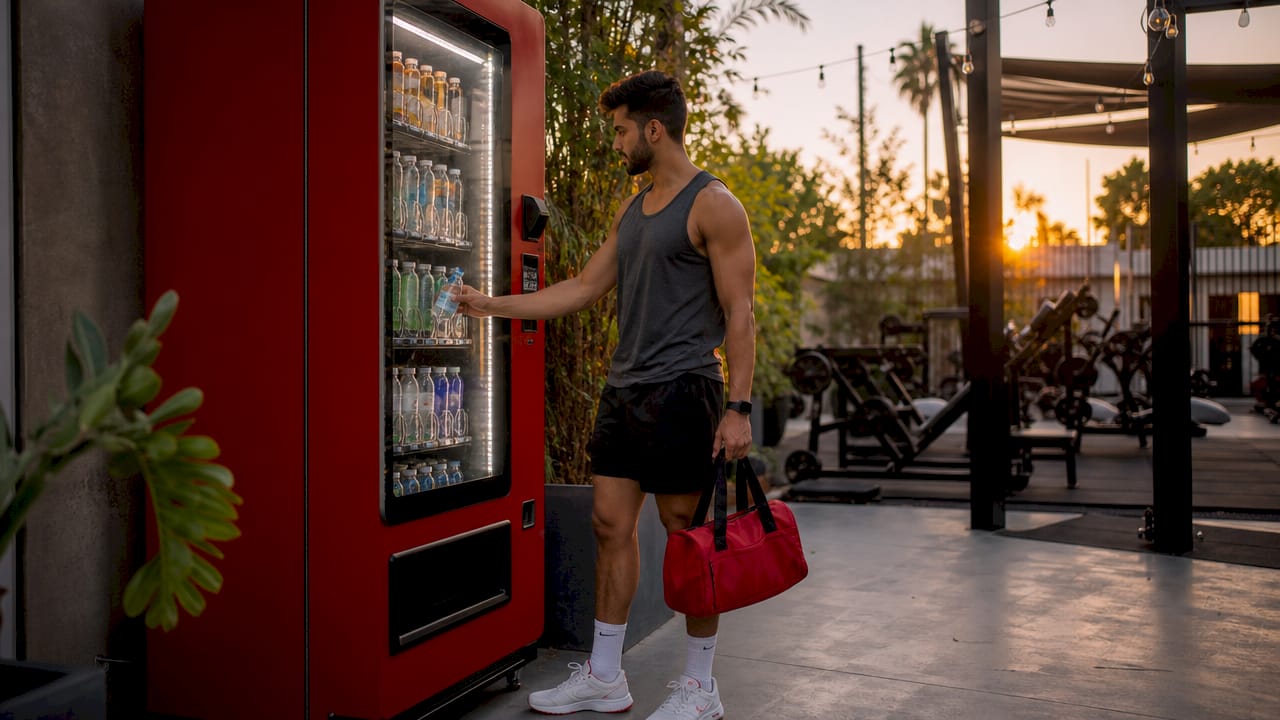
A vending machine stocked without this framework is just a snack machine. One stocked with it becomes a performance tool.
The best pre-workout snacks to stock fall into two clear tiers:
- 30–60 minutes out: Bananas, rice cakes, pre-workout energy shots, electrolyte drinks, and fruit pouches
- 1–2 hours out: Light protein bars (under 10g fat), low-fat yogurt pouches, granola bars, and small trail mix packs
Pro Tip: Label your machine shelves by timing window. A simple “30 min before” and “1 hour before” label helps members self-select the right product and increases purchase confidence.
How does gym traffic timing shape your inventory?
Stocking the right snacks means nothing if they run out during peak hours. Peak demand for pre-workout shots, electrolyte drinks, and protein shakes hits between 5pm and 8pm, with a secondary morning spike from 6am to 9am. These two windows are where your machine earns its keep.
Aligning inventory to those windows requires a structured approach:
- Map your traffic data. Pull foot traffic reports from your gym management software for a full month. Identify the top three busiest hours each day.
- Assign products to time slots. Stock fast-energy items like energy shots and bananas at the front of the machine during morning and evening peaks. Move heavier recovery items to secondary positions.
- Set restock triggers by day part. Program alerts to flag low stock before 5pm, not after. Running out at 6pm on a Tuesday is a predictable, avoidable loss.
- Rotate slow movers weekly. Any product that does not sell within seven days during a peak window gets replaced. Stagnant inventory is a margin killer.
- Track sell-through by SKU. Use your machine’s sales data to rank products by velocity. Double down on top performers and cut the bottom 20%.
The table below shows how product categories map to gym traffic windows:
| Time window | Member need | Best product types |
|---|---|---|
| 6am–9am | Quick fuel before early session | Energy shots, bananas, rice cakes, electrolyte drinks |
| 12pm–2pm | Moderate pre-lunch training | Light protein bars, granola bars, low-fat yogurt |
| 5pm–8pm | Peak demand, high-intensity training | Pre-workout formulas, RTD protein shakes, electrolyte drinks |
| 8pm–close | Post-workout recovery | Protein shakes, casein bars, magnesium drinks |
Pro Tip: If your gym runs group fitness classes, check the class schedule and stock up 30 minutes before each high-attendance class. HIIT and spin classes drive the highest pre-workout snack demand.
Where should you place vending machines in a gym?
Placement is the single most underrated variable in gym vending. Effective vending strategies follow the member journey: high-energy items near entrances, recovery essentials near locker rooms or exits. A machine tucked in a back hallway will underperform regardless of what it stocks.
The highest-converting placement zones in a gym are:
- Main entrance and lobby. Members arriving for a session are already in a buying mindset. A machine here captures pre-workout purchases before the workout begins.
- Near the water fountain or hydration station. Members who stop to fill a bottle are already thinking about hydration. An adjacent machine converts that intent into a sale.
- Locker room corridor. This is the last point of contact before members leave. Recovery drinks and protein shakes placed here catch post-workout buyers at the right moment.
- Near cardio equipment rows. Long cardio sessions create mid-workout thirst and hunger. A machine visible from the treadmill line generates impulse purchases.
- Group fitness room entrance. Class participants often arrive 5–10 minutes early. That wait time is a purchase window.
Vending machine placement near high-need areas directly affects revenue potential. A machine placed at the entrance of a busy gym generates significantly more transactions than one placed in a low-traffic service corridor. Visibility and convenience are not optional features. They are the strategy.
How does smart vending technology increase gym revenue?
Technology separates a profitable gym vending program from a break-even one. Refrigerated vending machines are the baseline requirement for high-margin items like ready-to-drink protein shakes and electrolyte drinks. Cold beverages turn over faster than shelf-stable snacks and carry better margins per unit.
The revenue upside from advanced machines is substantial. A vending machine deploying blended-on-demand protein shakes showed a daily sales increase of 1,376% and a $3,999 monthly net profit boost compared to a standard pre-bottled cooler. That figure reflects what happens when technology matches the product to what gym members actually want.
RFID-enabled machines add another layer of value. RFID technology allows gyms to offer member discounts tied to their membership card, track individual purchase history, and build loyalty programs without a separate app. Members who feel recognized buy more often. The sales data from RFID systems also feeds directly into restocking decisions, removing guesswork from inventory management.
A well-equipped gym vending setup includes:
- Refrigerated units for RTD protein shakes, electrolyte drinks, and cold brew coffee
- Ambient units for bars, rice cakes, and dry snack items
- RFID or contactless payment systems for frictionless checkout
- Remote inventory monitoring to flag low stock before it becomes a lost sale
Pro Tip: If your budget allows only one machine upgrade, choose refrigeration first. Cold beverages drive the highest margin and the fastest turnover in gym environments.
Key Takeaways
A well-executed pre-workout snack vending strategy requires the right products, timed to peak traffic windows, placed at high-visibility locations, and supported by refrigerated, data-connected machines.
| Point | Details |
|---|---|
| Nutrition drives product selection | Stock fast-digesting carbs and light protein options matched to 30-minute and 1-hour pre-workout windows. |
| Traffic data shapes inventory | Align restocking and product mix to morning (6am–9am) and evening (5pm–8pm) peak demand windows. |
| Placement follows member flow | Position machines at entrances, hydration stations, and locker room corridors for maximum purchase likelihood. |
| Refrigeration is non-negotiable | Cold RTD shakes and electrolyte drinks deliver higher margins and faster turnover than shelf-stable snacks. |
| Technology multiplies profit | RFID systems and sales analytics remove guesswork and support member loyalty programs. |
What I’ve learned running gym vending programs
Most gym operators make the same mistake: they treat their vending machine like a convenience store. They stock chips, candy, and whatever the distributor recommends. Then they wonder why sales are flat.
Gym vending works differently because gym members are in a performance mindset. They are not browsing. They are solving a specific problem: they need fuel, and they need it now. The machine that solves that problem clearly and quickly wins every time.
The operators I have seen succeed all share one habit. They look at their sales data every week, not every quarter. They know which products sell on Monday mornings versus Friday evenings. They pull slow movers without sentiment and replace them with products that match the current demand. That discipline is what separates a $300 monthly machine from a $1,500 monthly machine.
Refrigeration is the other non-negotiable I keep coming back to. Every time a gym operator tells me their vending revenue is disappointing, the machine is ambient. Cold beverages are what gym members reach for first. A warm protein shake is not a product. It is a deterrent.
The last thing I will say: visibility matters more than most people realize. A great machine in a bad location is a waste of capital. Walk your gym floor at 6am and again at 6pm. Stand where the members stand. The right placement becomes obvious within five minutes.
— Gary
Jeevesvending: gym-ready vending built for performance
Jeevesvending installs modern, refrigerated vending machines and custom micro-markets at no cost to gyms and fitness facilities across the Dallas-Denton region. Every machine is stocked based on your facility’s traffic patterns and member demographics, so you are not guessing what to put in it.
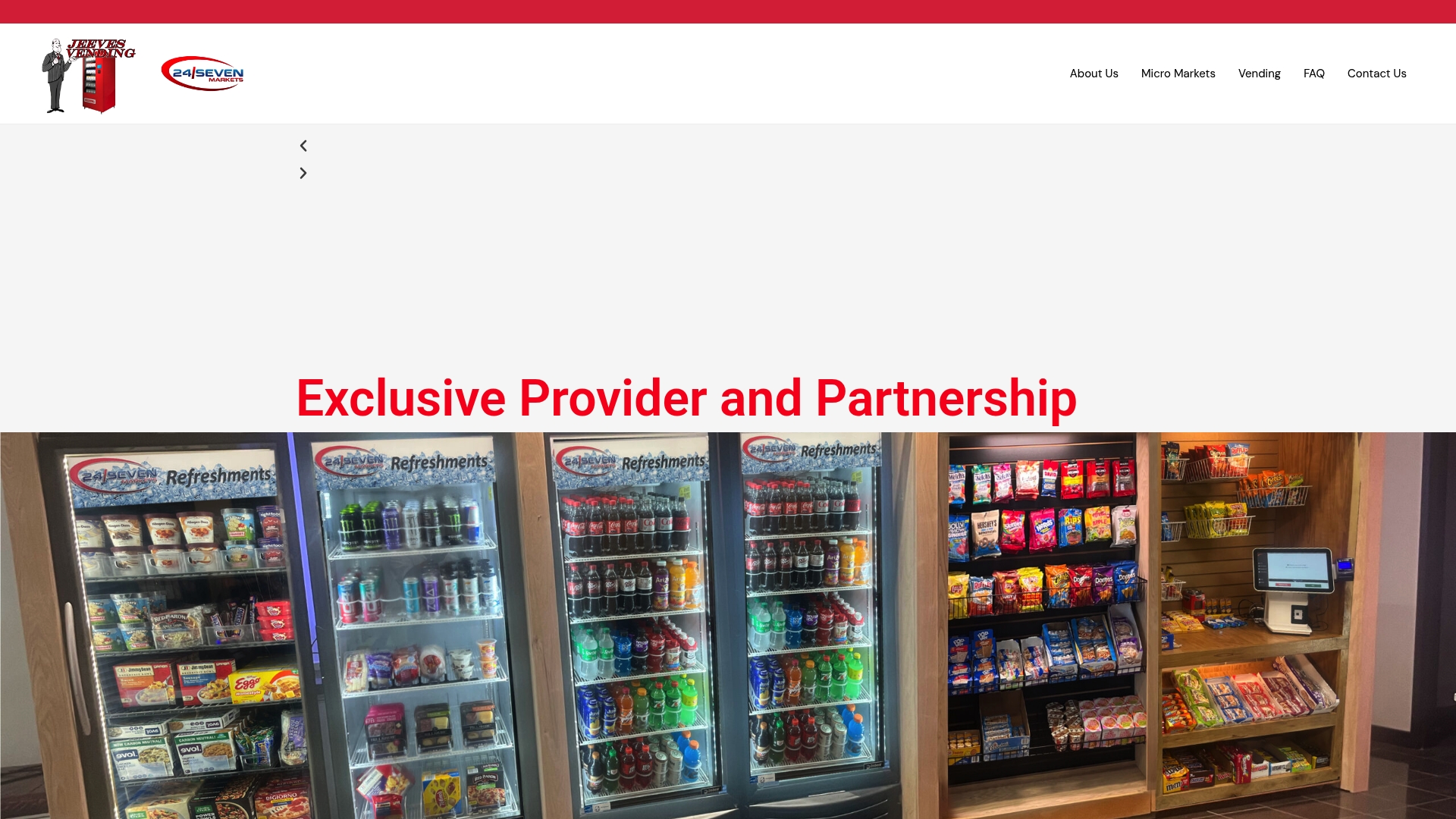
Jeevesvending’s AI-enabled smart coolers support contactless payment, remote inventory monitoring, and member discount programs. The team handles restocking, maintenance, and product rotation so your staff stays focused on running the gym. If you want a vending setup that actually performs, talk to the Jeevesvending team and get a solution built around your members’ needs.
FAQ
What is a pre-workout snack vending strategy?
A pre-workout snack vending strategy is a planned system for stocking and placing gym vending machines with nutritionally appropriate snacks timed to members’ workout schedules. The goal is to deliver the right fuel at the right moment to improve performance and drive vending revenue.
What are the best pre-workout snacks to stock in a gym vending machine?
The best options for the 30–60 minute window include bananas, rice cakes, energy shots, and electrolyte drinks. For the 1–2 hour window, light protein bars, granola bars, and low-fat yogurt pouches perform well.
When is demand highest for gym vending machines?
Peak demand occurs between 5pm and 8pm, with a secondary spike from 6am to 9am. Stocking and restocking schedules should prioritize these two windows above all others.
Does vending machine placement really affect sales?
Placement is one of the strongest predictors of vending revenue. Machines near gym entrances, hydration stations, and locker room corridors consistently outperform machines in low-traffic areas because they intercept members at natural decision points.
Why do refrigerated vending machines outperform ambient units in gyms?
Refrigerated machines stock high-margin items like RTD protein shakes and cold electrolyte drinks, which gym members prioritize over shelf-stable snacks. Cold beverages turn over faster and generate stronger profit per transaction.