
Yes, vending on Texas school campuses is regulated. Vending sales during the school day must meet USDA Smart Snacks and Texas competitive-food standards, local health permits may apply depending on your city or county, and districts must follow Tex. Educ. Code §44.908 when spending vending proceeds. Start by auditing your current SKUs against Smart Snacks thresholds, calling your local health authority about permits, and reviewing your district’s fund-expenditure policy.
TL;DR:
- Vending machines on Texas school campuses must comply with Smart Snacks nutrition standards and local health permit requirements, which vary by city and county.
- During the school day, vending sales are restricted to products meeting calorie, sodium, fat, and sugar limits, with stricter beverage rules for elementary schools.
- Permits for vending machines depend on local health authorities, and regulations often include safety, placement, and temperature control requirements, especially for refrigerated items.
- Districts must develop formal policies for vending revenue expenditure, including product compliance clauses and reporting obligations, aligned with state laws.
- Prior to installation, districts should verify SKU compliance, secure permits, finalize contracts, and establish operational controls to ensure ongoing adherence to regulations.
Table of Contents
- Smart Snacks and Texas competitive-food nutrition rules applied to vending
- When vending is restricted: school-day, meal-period, and fundraiser exemptions
- Permits and local health-authority requirements
- Contracts, procurement, and rules for spending vending revenue
- Practical compliance checklist: the vendor and administrator pre-install to-do list
- Practical tradeoffs between compliance and convenient student access
- How Jeeves Vending supports Texas schools with compliance-ready vending
- FAQ
- Sources
Smart Snacks and Texas competitive-food nutrition rules applied to vending
Any school participating in the National School Lunch Program or School Breakfast Program must apply Smart Snacks standards to every vending machine on campus during the school day. As of the 2025-2026 school year, Texas guidance confirms this covers foods sold anywhere on a school campus, not just in the cafeteria. The thresholds set real limits on what can sit in a machine.
- Calories: capped per snack and per entree item, with separate limits for each category.
- Sodium: limited per serving, tighter than most packaged snack defaults.
- Fat: total fat, saturated fat, and trans fat all face caps, with trans fat required at zero grams.
- Sugar: limited by weight as a percentage of the total product.
- Beverages: portion sizes and calorie content are restricted by grade band, with stricter limits for elementary schools.
Beverage and snack SKUs must meet federal Smart Snacks nutrient caps and Texas guidance treats this as a floor, meaning local policy can be stricter. Document compliance with supplier spec sheets, nutrition facts panels, and a first-ingredient check for every item before it goes in a machine, and keep that paperwork on file since it is what an auditor or district nutrition coordinator will ask for first. Our guide to what Smart Snacks means for schools breaks down how these thresholds translate into actual product selection.
When vending is restricted: school-day, meal-period, and fundraiser exemptions
“School day” generally runs from midnight to 30 minutes after the final bell, and “school campus” includes any area under school jurisdiction accessible to students, which matters because vending rules only apply within that window and footprint. Elementary schools typically face the tightest restrictions, often limiting vending access throughout the entire day, while middle and high schools have more flexibility outside the food-service area during meal periods.
- Confirm your campus’s school-day boundaries so vending access windows line up with district policy.
- Check grade-band restrictions, since elementary campuses often bar general vending access entirely during the school day.
- Track exempt fundraiser days, since Texas allows a limited number of exempt fundraisers per campus each school year where non-compliant items can be sold, based on TDA guidance.
- Keep fundraiser sales outside the food-service area during meal service so they don’t compete with school meals.
- Remember Smart Snacks-compliant fundraisers face no day limit, so a compliant item can be sold any day without using one of the six exemptions.
Permits and local health-authority requirements
There is no single statewide vending permit in Texas. Permitting runs through your city or county health authority, and requirements vary enough that a Dallas district and an Austin district can face different paperwork for the same machines.
- Houston exempts certain prepackaged, non-temperature-controlled-for-safety (non-TCS) machines in controlled locations from some permitting steps.
- County and district policies, like Cameron County’s vending machine policy, often add placement approvals, safety anchoring rules, and minimum healthy-item targets on top of state and city requirements.
- TCS items (anything refrigerated or heated) typically trigger stricter commissary and temperature-logging requirements than shelf-stable snacks.
Call your local health authority before signing any vendor contract, confirm whether your machine mix includes TCS items, and keep commissary records on file even if your city grants a partial exemption.
Contracts, procurement, and rules for spending vending revenue
Tex. Educ. Code §44.908 requires districts to adopt a formal policy governing expenditure of local funds, including vending proceeds, and ties that spending to a legitimate educational purpose. A handshake agreement with a vendor does not satisfy this requirement. Your procurement process and RFP language should lock down the financial and operational terms before any machine arrives on campus.
- Product compliance clauses that bind the vendor to Smart Snacks standards for every SKU, with a process for swapping noncompliant items.
- Reporting frequency specifying how often the vendor delivers sales and revenue data.
- Revenue ownership and remittance terms stating who collects cash or card payments and when the district receives its share.
- Audit rights letting the district inspect records and machine contents on request.
- Insurance and indemnity provisions protecting the district from equipment or liability claims.
Pro Tip: Require monthly revenue statements and reconcile them against invoices the same month they arrive, rather than batching reconciliation at year-end when discrepancies are harder to trace.
University systems offer a useful model here. The UT System policy on vending machine contracts requires contract review, governing-board submission, and documented student input, all standards a K-12 district procurement office can adapt.
Practical compliance checklist: the vendor and administrator pre-install to-do list
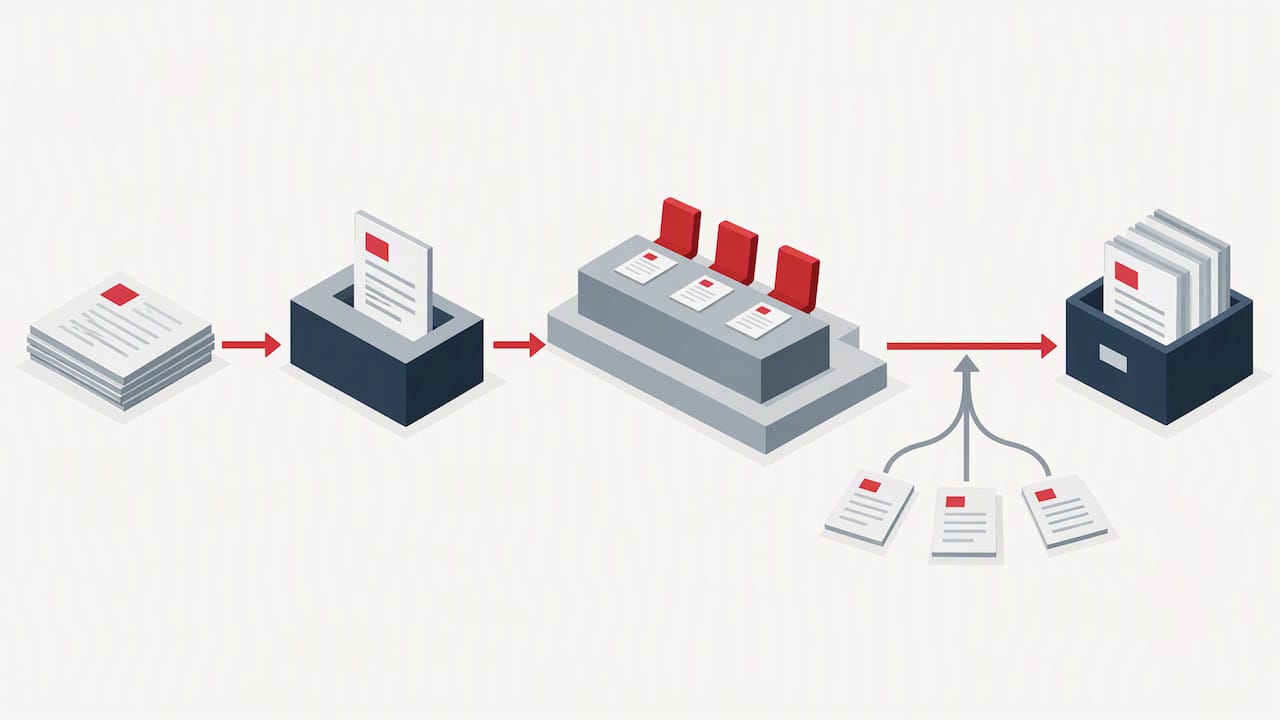
Before approving any vending placement, work through this sequence rather than treating permits, contracts, and SKU review as separate tracks.
- Collect SKU documentation. Get supplier spec sheets and Smart Snacks compliance evidence for every item, not just a sample.
- Confirm local permitting. Call the health authority, determine whether machines need listing, and keep commissary records on file.
- Lock down contract terms. Secure written site authorization, define revenue handling, and require notice before any product swap.
- Set operational controls. Install temperature alerts for TCS items, schedule maintenance visits, and plan trash and recycling placement near each machine.
- Prepare a parent-notice template so families know what’s available and why, especially for new beverage or snack lines.
- Build one audit folder, digital and physical, holding SKU lists, permit copies, the signed contract, and monthly revenue statements.
Pro Tip: Treat the audit folder as a living document updated the same week any SKU, permit, or contract term changes, not as a once-a-year scramble before a district review.
Practical tradeoffs between compliance and convenient student access
Compliance-first procurement feels slower at the outset, but it is the cheapest insurance against a mid-year audit finding or a parent complaint that forces machines offline. Vendor transparency on SKUs and permitting status does most of the oversight work for you. A short pilot with full documentation beats a district-wide rollout you have to unwind later.
— Gary
How Jeeves Vending supports Texas schools with compliance-ready vending
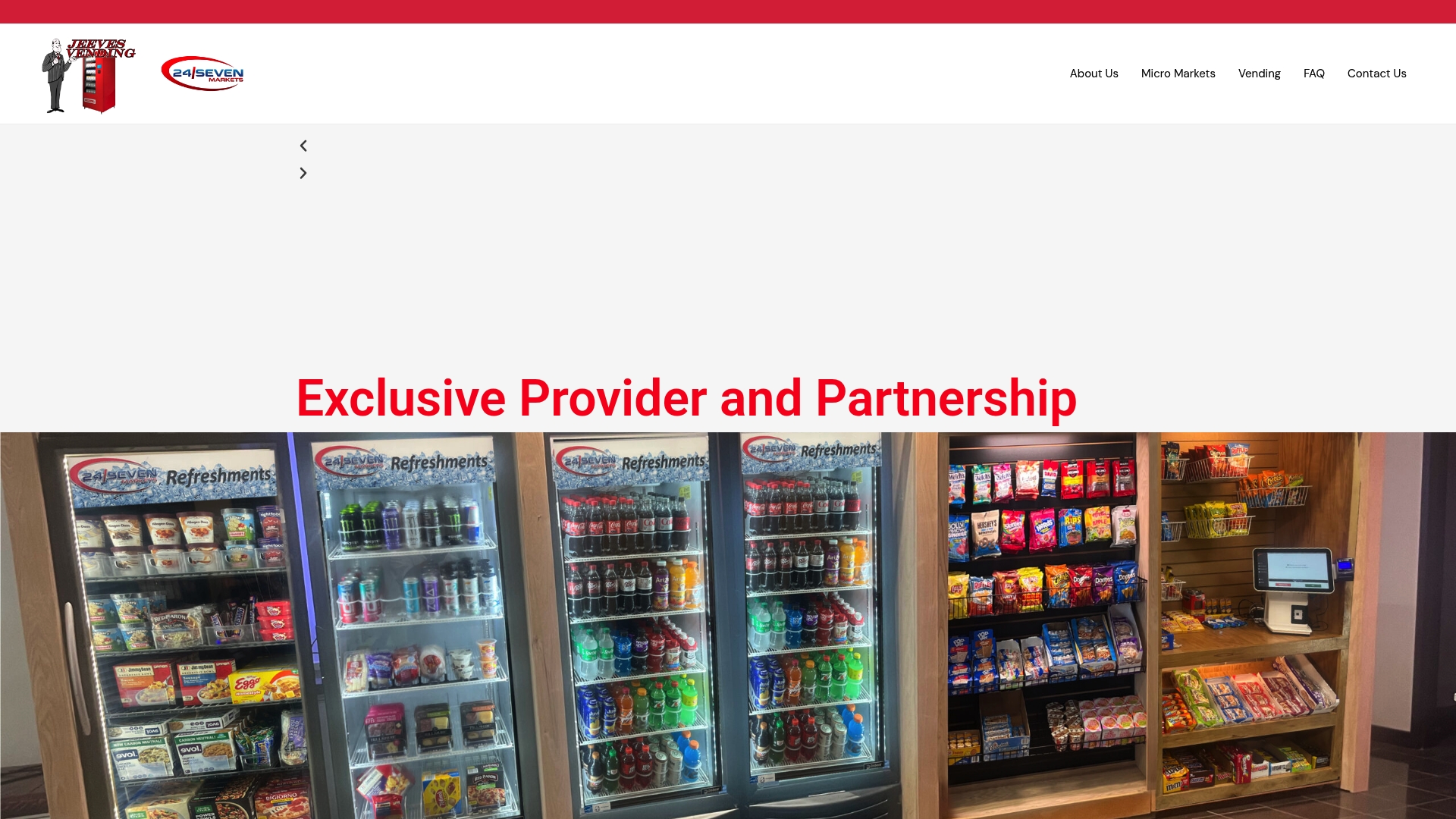
We build vending programs around what your campus actually needs to stay compliant, not around a generic machine drop-off. Our Free Full Service Vending Programs for Business Owners install machines at no upfront cost to your district, and our Smart Snacks for schools option builds menus around Smart Snacks-aware selections from the start rather than retrofitting them later.
When you request a proposal, we can supply:
- A SKU specification pack with nutrition facts and ingredient documentation for every proposed item.
- A permitting checklist tailored to your city or county’s requirements.
- A reporting template you can plug directly into your procurement file.
If your campus is weighing food fundraisers against other options, our partners at Shay’s Print Shop offer custom apparel fundraiser ideas that sidestep Smart Snacks limits entirely. For a vending-specific route, reach out to our team to start a compliant pilot on your campus.
FAQ
Can students sell snacks at school in Texas?
Students can sell snacks only within the same rules that apply to any other vendor: Smart Snacks compliance during the school day, unless the sale falls within one of the six exempt fundraiser days per campus per year, per TDA guidance. Outside those exempt days, student-run food sales during the school day must still meet competitive-food nutrition standards.
What is the 90% rule in Texas schools?
Texas guidance does not define a formal “90% rule” for vending; this phrase is not a recognized standard in state nutrition policy. Administrators should instead reference the Smart Snacks thresholds directly, which set specific calorie, sodium, fat, and sugar limits rather than a single percentage rule.
Can you legally sell things at school?
Yes, but food and beverage sales to students during the school day are restricted by Smart Snacks and Texas competitive-food standards, and transactions involving tokens, tickets, or donations in exchange for food still count as sales under these rules, according to state nutrition guidance. Non-food sales, like apparel or school supplies, generally fall outside these nutrition rules but may still need district approval.
Do you need a permit for vending machines in Texas?
Permitting depends on your city or county since Texas has no single statewide vending permit. Austin’s vending operator permit requires machine counts and commissary details, while other jurisdictions, including Houston, exempt certain prepackaged non-TCS machines from parts of that process.
Sources
- NSLP helper sheets (SY 2025–2026) — Texas Department of Agriculture
- Tex. Educ. Code §44.908 — Expenditure of local funds
- Cameron County vending machine policy