
Vending variety in fitness centers is defined as the deliberate curation of products across nutritional categories, workout phases, and member lifestyle needs to drive convenience, satisfaction, and revenue. The role of vending variety in fitness centers goes far beyond stocking a few protein bars next to a soda machine. Gyms that offer the right product mix can increase membership spend by 30% by capturing the post-workout “golden hour” when members are most likely to buy. Jeevesvending works with fitness facilities across the Dallas-Denton region to build exactly that kind of product assortment, at no cost to the gym.
What is the role of vending variety in fitness centers?
Vending variety in the fitness context means matching products to the specific moments members need them most. A member arriving for a 6:00 AM session has different needs than one finishing a 90-minute strength class at noon. Stocking only candy bars and sodas fails both of them. The industry term for this approach is product assortment strategy, and it applies to vending just as directly as it applies to retail.
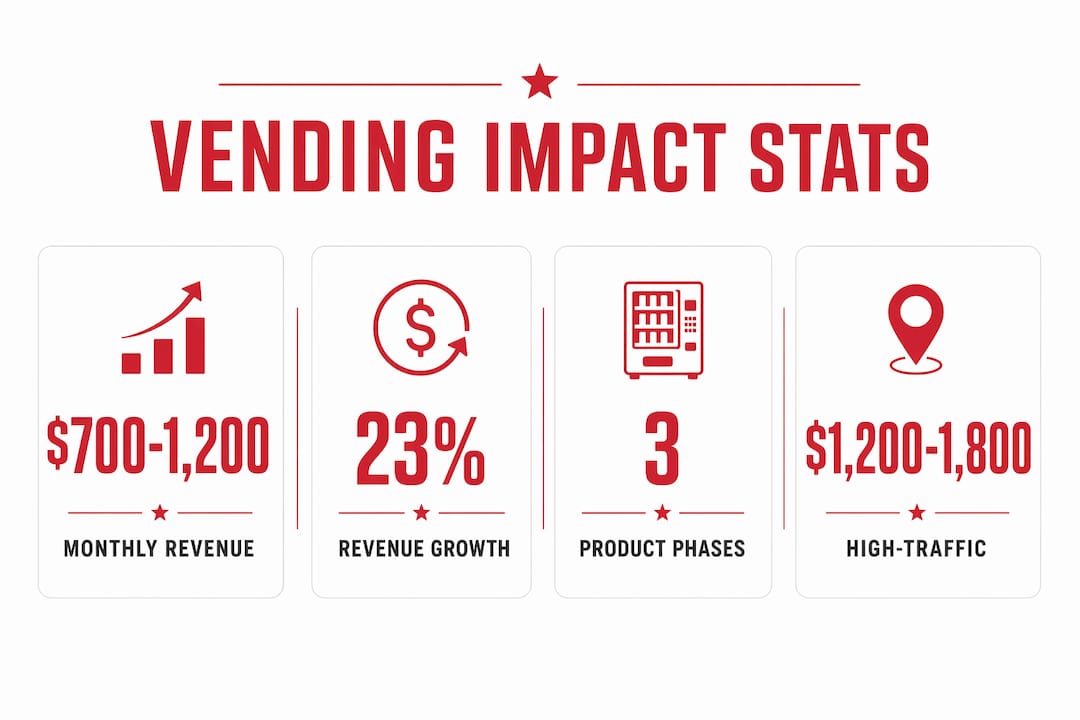
The financial case is straightforward. A well-placed vending machine in a mid-size gym generates $700–$1,200 per month, while high-traffic gyms reach $1,200–$1,800 or more. Specialized protein shake machines can add $2,000–$8,000 monthly on top of that. Those numbers reflect what happens when product selection aligns with member demand.
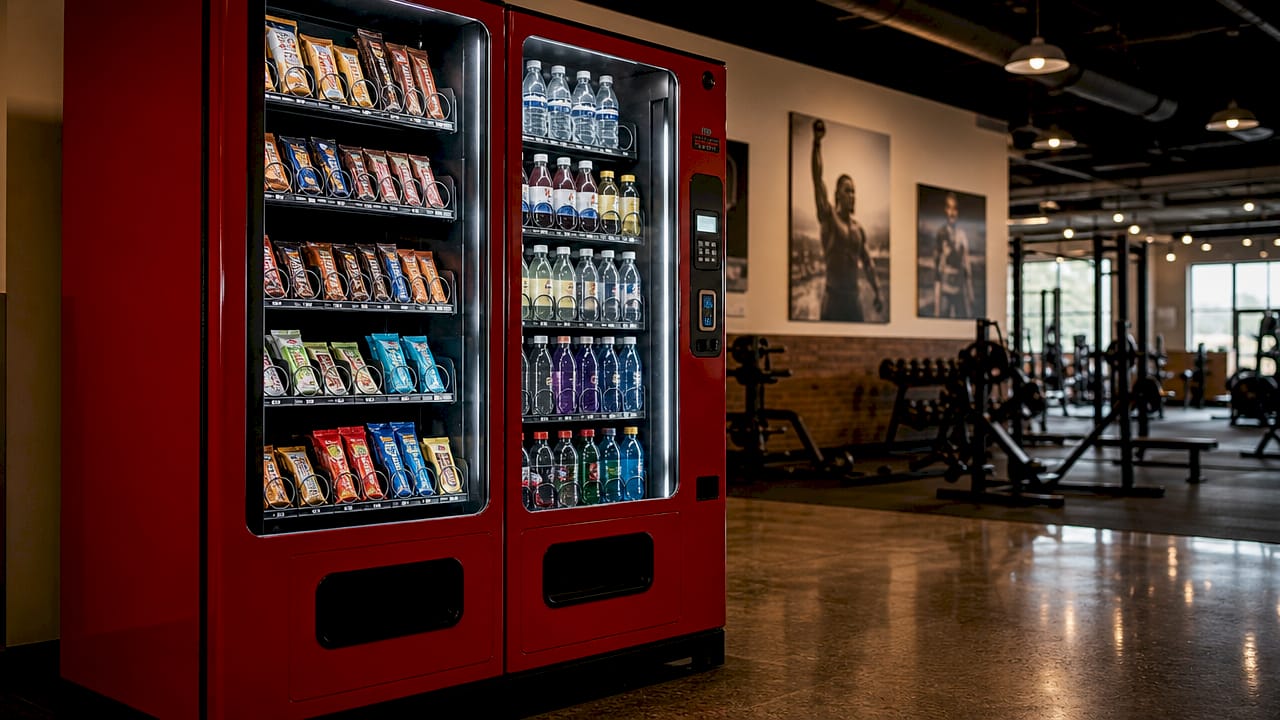
Vending diversity in health clubs also functions as a retention tool. Members who find what they need on-site spend more per visit and feel the facility supports their goals. That perception of support is a direct driver of membership renewal.
How do diverse vending options match different workout phases?
Product assortment strategy works best when it maps to three distinct workout phases: pre-workout, during-workout, and post-workout. Each phase has a different nutritional priority, and your vending selection should reflect that.
-
Pre-workout (30–60 minutes before training): Members need fast energy and mental focus. Stock caffeinated options like energy drinks, espresso shots, and carbohydrate-based snacks such as banana chips, oat bars, and trail mix. Avoid heavy protein at this stage since it slows digestion.
-
During workout: Hydration and electrolyte replacement are the priority. Coconut water, electrolyte tablets, and sports drinks belong here. A pre-workout snack strategy that accounts for mid-session needs keeps members fueled without GI discomfort.
-
Post-workout (within 45 minutes of finishing): This is the golden hour. Protein shakes, Greek yogurt, chocolate milk, and recovery bars drive the highest purchase rates at this stage. Members are primed to buy because they feel the need immediately.
Beyond nutrition, vending machines serve a fourth category that most gym managers overlook entirely. Vending machines can supply forgotten essentials like towels, wrist wraps, resistance bands, and earbuds. A member who forgot their gloves will pay a premium to avoid cutting a session short. That convenience purchase builds goodwill and adds revenue with zero staff effort.
Pro Tip: Place a combo machine stocked with both accessories and post-workout nutrition near the locker room entrance. That location catches members at peak need for both categories.
AI-driven vending analytics that optimize product mixes produce an average 23% revenue increase within 90 days by matching stock to actual member purchase patterns. That means the machine learns which products sell on Monday mornings versus Saturday afternoons and adjusts accordingly.
What vending machine types best support product variety in gyms?
The machine format you choose determines how much variety you can actually deliver. Three formats dominate fitness center deployments: combo vending machines, smart coolers, and specialized protein shake units.
Combo machines versus single-function units
Combo machines dispense both snacks and beverages from a single footprint. They work well in smaller facilities where floor space is limited. Single-function machines go deeper on one category, which matters when you have a high-volume protein shake program or a dedicated hydration station.
Smart coolers and the refrigeration standard
Members prefer smart coolers over traditional vending machines because they can physically handle products and read nutrition labels before buying. That transparency increases trust and sales conversion. Smart coolers present products like a retail grab-and-go case, which matches the expectation of health-conscious gym members.
Refrigeration quality is non-negotiable for perishable products. Forced-air refrigeration maintains protein drinks and fresh foods at 35°F–40°F, which prevents spoilage and inventory loss. Thermoelectric coolers often fail to hold that range in high-traffic environments with frequent door openings. Forced-air units cost more upfront but eliminate the spoilage losses that erode margins.
Protein shake machines
Premium protein vending machines with independent shaker motors produce better shake quality by preventing clumping. That mechanical detail matters more than it sounds. A clumpy, poorly mixed shake generates complaints and kills repeat purchases. Machines with enhanced agitation mechanisms replicate the quality of a manually shaken bottle, which is the standard members compare against.
Pro Tip: If your gym runs a high-volume morning rush, choose a protein shake machine with a dedicated motor per serving rather than a shared mixing mechanism. Throughput and quality both improve.
You can explore AI smart cooler options that combine refrigeration, cashless payment, and real-time inventory tracking in a single unit.
Where and how should you place and manage vending variety?
Placement determines whether a well-stocked machine gets used or ignored. The best product assortment in the wrong location produces weak results.
- Entrance and exit zones capture members at the two highest-intent moments: arriving motivated and leaving depleted. A machine near the front door sells pre-workout products. One near the exit sells recovery items.
- Near water stations positions hydration products where members already stop. Electrolyte drinks and coconut water sell well in these spots because the purchase decision is already primed.
- Locker room corridors are the highest-converting location for accessory and recovery products. Members passing through after a session are in a buying mindset.
- Group fitness studio exits catch members immediately post-class when protein and recovery needs peak.
Cashless payment is not optional in 2026. Members expect tap-to-pay, Apple Pay, and Google Pay at minimum. Machines that accept only cash lose a significant share of impulse purchases because most gym members do not carry cash.
Partnering with a full-service vending provider removes the restocking and maintenance burden from your staff entirely. Managed vending services handle product selection, restocking frequency, and equipment repairs without adding to your payroll. That model lets you expand variety without expanding headcount.
How does vending variety drive member retention and revenue growth?
Vending variety functions as a member experience tool, not just a revenue line. When members find what they need on-site, they associate the gym with convenience and care. That association strengthens loyalty in a way that equipment upgrades alone cannot replicate.
Vending machines in gyms are not only revenue sources but membership retention tools. Gyms that capture the post-workout golden hour with the right product mix see members spending 30% more on their memberships overall. That figure reflects the compounding effect of convenience: members who buy on-site visit more often, stay longer per session, and renew at higher rates.
The fitness center snack choices you offer also signal your brand values. A gym stocked with whole-food bars, low-sugar electrolytes, and high-protein options communicates that it takes member health seriously. A machine full of chips and candy sends the opposite message, regardless of what your marketing says.
Gyms that treat vending as a strategic member engagement tool rather than a passive amenity generate measurably better outcomes. The micro-market format takes this further by creating a retail-style self-checkout experience with a wider product range than any single vending machine can offer. Members browse, pick up products, and check out independently, which increases average transaction size and satisfaction simultaneously.
The best vending products for gyms combine high protein content, clean ingredient lists, and recognizable brands. Members trust what they recognize. Stocking national brands alongside local or specialty options gives members both familiarity and discovery, which is a combination that drives repeat purchases.
Key Takeaways
Vending variety in fitness centers directly increases member retention, per-visit spending, and overall satisfaction when products align with workout phases, machine formats match member expectations, and placement follows natural traffic patterns.
| Point | Details |
|---|---|
| Product assortment by phase | Stock pre-workout, during-workout, and post-workout products separately to match member needs at each stage. |
| Machine format matters | Smart coolers with forced-air refrigeration outperform traditional units for perishable and protein-based products. |
| Placement drives conversion | Entrance zones, locker room corridors, and water station areas generate the highest purchase rates. |
| Managed services reduce burden | Full-service vending partnerships expand variety without adding staff workload or operational complexity. |
| Vending supports retention | Gyms offering the right product mix see members spending 30% more on memberships over time. |
What most gym managers get wrong about vending variety
Most gym managers I talk to treat vending as an afterthought. They install one machine near the front desk, fill it with whatever the distributor suggests, and check on it once a month. Then they wonder why it barely covers its footprint.
The mistake is treating vending as passive infrastructure. A vending program that actually moves the needle requires the same intentionality you apply to class scheduling or equipment layout. You need to know your peak traffic hours, your member demographics, and which products your members are already buying elsewhere and bringing in. That last point is the most telling. If you see members walking in with protein shakes from a gas station down the street, you have a gap in your offering and a revenue leak you can close.
The other missed opportunity I see constantly is the non-nutritional category. Accessories, personal care items, and forgotten gear are high-margin and low-competition. No other retailer in your building sells wrist wraps at 6:00 AM. You have a captive audience with a real need. That is a straightforward win that most managers leave on the table.
Aligning your vending strategy with member demographics takes one conversation and one data pull from your membership software. A gym with a majority of members aged 25–40 focused on strength training has different top sellers than a facility serving primarily cardio-focused members over 50. The product mix should reflect that. Jeevesvending builds custom assortments based on exactly that kind of facility-specific input, which is why their installations outperform generic setups.
Vending variety is not a luxury add-on. It is a member experience decision that shows up in your retention numbers.
— Gary
Jeevesvending makes expanding gym vending variety straightforward
Fitness center managers in the Dallas-Denton area can add a full vending program without upfront equipment costs or staff time spent on restocking. Jeevesvending installs and manages the entire operation, from machine selection to ongoing product rotation, at no cost to your facility.
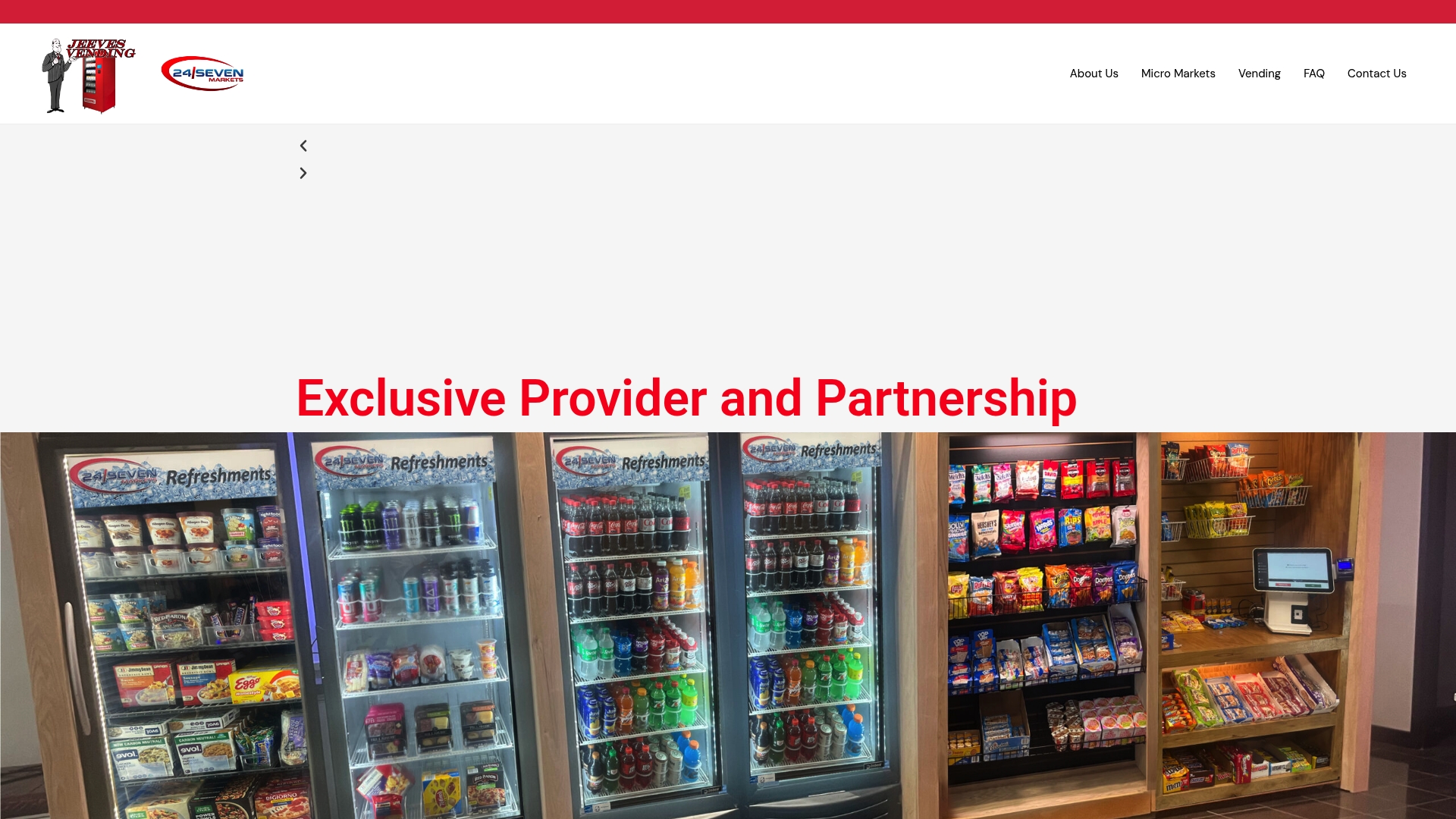
Jeevesvending tailors product assortments specifically for fitness environments, stocking pre-workout, recovery, hydration, and accessory categories based on your member profile. Their AI-powered smart coolers handle cashless payments and real-time inventory tracking automatically. If you want to see the full range of machine formats available, the vending machine overview covers every option in plain language. Contact Jeevesvending to schedule a no-obligation facility assessment and get your vending program running within days.
FAQ
What products should a gym vending machine stock?
A gym vending machine should stock products across three workout phases: pre-workout energy items like caffeinated drinks and oat bars, mid-workout hydration like electrolyte drinks, and post-workout recovery items like protein shakes and Greek yogurt. Non-nutritional accessories like towels and wrist wraps add high-margin sales with no competition on-site.
How much revenue can a vending machine generate in a gym?
A well-placed machine in a mid-size gym generates $700–$1,200 per month, while high-traffic gyms reach $1,200–$1,800 or more. Specialized protein shake machines can add $2,000–$8,000 monthly depending on member volume and product demand.
What is the best vending machine type for a fitness center?
Smart coolers with forced-air refrigeration are the best fit for fitness centers because members can handle products and read labels before buying, which increases trust and purchase rates. Forced-air units maintain the 35°F–40°F range required for protein drinks and fresh foods.
Where should vending machines be placed in a gym?
Place machines at entrances and exits, near water stations, and in locker room corridors to capture members at peak purchase intent. These locations align with natural member movement and the moments when nutritional and accessory needs are highest.
Does vending variety actually improve member retention?
Yes. Gyms that offer the right product mix capture the post-workout golden hour and see members spending 30% more on memberships overall. Vending variety signals that the facility supports member goals, which strengthens loyalty and renewal rates.