
Student vending habits are defined by two core forces: convenience and impulse. Students treat vending machines as an extension of their daily food routine, not just a backup option. Understanding how student vending habits work reveals why 67% of Gen Z students report buying more grab-and-go items every year. That number signals a permanent shift in how students eat, not a passing trend. Regulatory frameworks like USDA Smart Snacks, cashless payment adoption, and behavioral nudges all shape what ends up in a student’s hand at the machine.
How student vending habits work: the behavioral foundation
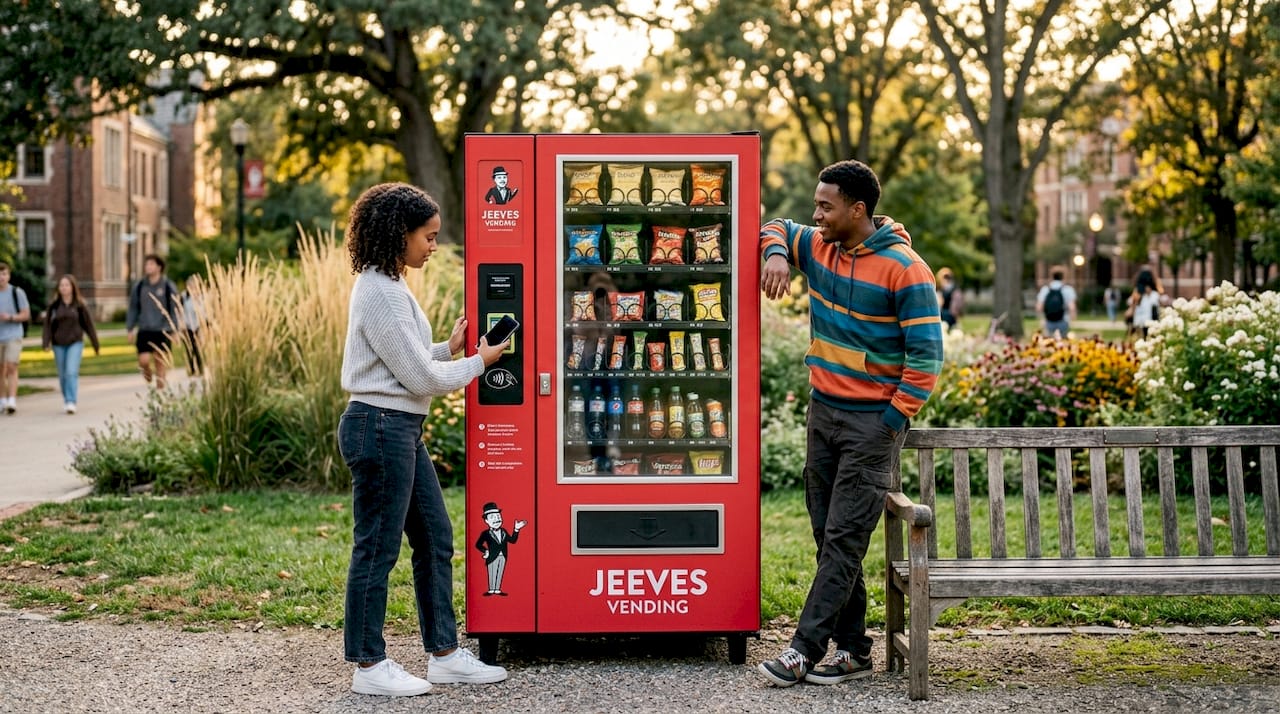
Student vending behavior is best described in consumer psychology as impulse purchasing, where a decision happens in seconds with little planning. The machine’s location, the time of day, and the student’s hunger level all combine to trigger a fast, low-effort choice. Students rarely browse; they scan, decide, and pay in under 30 seconds. That speed is the defining feature of student purchasing behavior.
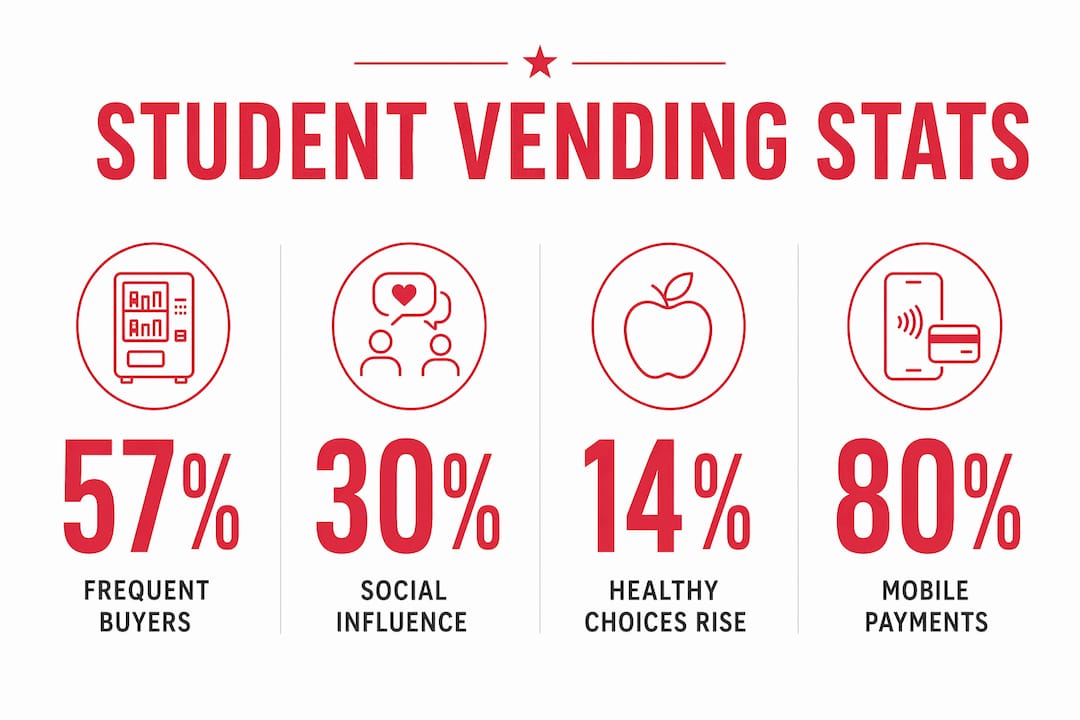
Frequency matters here. Students consume nearly as many snacks as meals weekly, and 57% of full-time students buy more ready-made foods than they did in previous years. Vending machines fill the gap between classes, during late-night study sessions, and whenever the dining hall is closed. The machine is not competing with a restaurant. It is competing with nothing, because it is the only option available at that moment.
What psychological factors drive snack choices at vending machines?
The psychology behind vending choices among students is more deliberate than it looks. Environmental cues, not willpower, determine what students pick. Researchers have found that a single sensory nudge, such as a nature image or a jasmine scent near the machine, can raise healthy snack selection from 14% to 45%. That is a 31-percentage-point lift from one small environmental change.
The catch is that adding a second nudge at the same time actually reduces effectiveness. Multiple simultaneous nudges drop selection rates back to 36% due to cognitive overload. Students shut down when the environment asks too much of them at once. The lesson for campus planners is clear: pick one strong cue and commit to it.
Key behavioral factors that shape vending choices include:
- Visual hierarchy: Products at eye level sell faster than those on lower or upper rows.
- Packaging appeal: Bright, organized displays reduce the mental effort of choosing.
- Time pressure: Students between classes default to familiar items they have bought before.
- Hunger state: A student who skipped breakfast will not read nutritional labels.
Pro Tip: Place your single strongest visual nudge, such as a green “better choice” label or a nature-themed panel, at eye level on the machine. Avoid stacking multiple prompts on the same machine face.
How do payment technologies shape student vending machine usage?
Gen Z students treat cash as a last resort. Mobile-first, cashless payment methods like Apple Pay, Google Pay, and QR codes are the standard expectation for campus vending. Speed and hygiene drive this preference. A student who can tap their phone and walk away in five seconds will not tolerate a machine that only takes quarters.
Student ID-linked payment systems add another layer of value. When a student’s campus card connects directly to the vending machine, the transaction is faster and the campus gains purchasing data. Integrating payments with student IDs tells administrators which products sell, when peak usage occurs, and where machines underperform. That data is worth more than the transaction fee savings.
Payment reliability is a real problem that campuses underestimate. Vending machines frequently experience silent failures where a card is charged but no product drops. Students underreport these failures because the refund process is complicated and not worth the effort. That erodes trust in the machine over time.
Practical steps to improve payment reliability:
- Install machines with cashless payment integration that includes real-time transaction confirmation.
- Add a visible, one-tap refund or report button directly on the machine screen.
- Use remote monitoring to flag failed transactions before students notice a pattern.
- Link student ID accounts so disputed charges resolve automatically through campus billing.
Pro Tip: A QR code posted on the machine that links directly to a refund form cuts underreporting dramatically. Students will use it if it takes less than 60 seconds.
How do school vending regulations affect student choices?
USDA Smart Snacks in School regulations set the nutritional floor for any food sold to students during the school day. The rules apply to all foods sold on school grounds during school hours, including vending machines. Smart Snacks standards cap total fat, saturated fat, sodium, and sugar content for snacks and entrees sold in schools.
Federal rules are already strict, and upcoming 2027 updates will add limits on added sugar that go beyond current requirements. Many school districts layer additional local policies on top of federal standards, restricting certain product categories entirely. The result is that a vending machine in a K-12 school looks very different from one in a college student union.
| Regulatory layer | Who sets it | What it limits |
|---|---|---|
| USDA Smart Snacks | Federal government | Fat, saturated fat, sodium, total sugar |
| 2027 federal update | Federal government | Added sugar (new category) |
| District policy | Local school board | Additional product category bans |
| Campus wellness policy | University or college | Voluntary nutritional targets |
The impact on student satisfaction is real. When product selection shrinks due to regulations, students sometimes feel the machine does not meet their needs. The solution is not to fight the rules but to stock compliant products that students actually want, such as high-protein bars, low-sugar trail mixes, and flavored water. Compliance and appeal are not opposites.
What healthy vending trends are reshaping student preferences?
Demand for better-for-you snacks on campus has grown steadily. Students increasingly look for high-protein, low-sugar, and minimally processed options that align with their broader interest in wellness. This is not just a niche preference. It reflects a generation that grew up reading nutrition labels and following fitness content online.
Social media drives 30% of Gen Z purchase decisions, including snack choices. A product that looks good on Instagram has a head start in the vending machine. Eye-catching packaging and clear product organization reduce the cognitive load of choosing, which speeds up the transaction and increases satisfaction.
The most effective healthy vending programs do not remove popular items. They use point-of-purchase placement and verbal prompts to guide students toward nutritious options without restricting choice. Removing chips from a machine frustrates students. Placing a protein bar at eye level next to the chips, with a small “fuel your focus” label, shifts behavior without conflict.
Trends shaping healthy vending on campuses right now:
- High-protein snacks: Jerky, Greek yogurt cups, and nut butter packs are top sellers in wellness-focused machines.
- Functional beverages: Electrolyte drinks and low-sugar energy drinks outperform traditional sodas in Gen Z demographics.
- Visual merchandising: Clear, organized displays with consistent color coding help students decide faster.
- Placement strategy: Machines near gyms and health centers see stronger demand for pre-workout snack options than machines near lecture halls.
Pro Tip: Rotate two or three new “featured” products monthly and label them clearly. Students notice novelty, and a fresh product in a familiar machine drives trial purchases without requiring a full restocking overhaul.
| Snack category | Student demand signal | Placement recommendation |
|---|---|---|
| High-protein bars | Rising, especially near gyms | Eye level, row 1 |
| Low-sugar trail mix | Steady, wellness-aligned | Eye level, row 2 |
| Flavored sparkling water | Strong growth, replaces soda | Top shelf, beverage section |
| Traditional chips | Stable but flat | Lower rows |
| Candy and high-sugar items | Declining in health-focused zones | Bottom rows or removed |
How can educators optimize vending to support student wellness?
Campus administrators who treat vending as a passive amenity miss a real opportunity. A well-managed vending program actively supports student nutrition, reduces food access gaps, and generates data that improves campus services. The starting point is a formal needs assessment.
- Map campus food access. Identify buildings or time windows where students have no food options. A machine in a food desert on campus serves a genuine need, not just a convenience.
- Analyze purchase data. Smart vending machines with remote monitoring capture sales trends and restocking insights that show exactly what students want and when they want it.
- Align with wellness goals. Match product selection to campus health initiatives. A campus running a stress-reduction program in finals week benefits from machines stocked with magnesium-rich snacks and low-caffeine options.
- Integrate cashless and ID payments. Removing payment friction increases usage and captures better data. Students who can pay with their campus card use machines more often.
- Build a feedback loop. Direct student feedback channels and analytics together let administrators respond to changing preferences quickly and reduce machine downtime.
Strategic machine placement is as important as product selection. A machine in a high-traffic hallway between two lecture buildings will outperform one tucked in a corner of the library basement, even if the product mix is identical. Traffic flow analysis should drive every placement decision.
Pro Tip: Run a short student survey once per semester asking three questions: What do you wish the machine had? What do you never buy? When do you use it most? Three questions, answered by 50 students, will reshape your product mix better than any industry report.
Key Takeaways
Student vending habits are driven by convenience and impulse, shaped by payment technology, regulatory standards, and behavioral nudges that campus planners can directly influence.
| Point | Details |
|---|---|
| Impulse drives decisions | Students choose in under 30 seconds, so placement and visual cues matter more than product variety. |
| Single nudges outperform multiple | One sensory cue raises healthy selection to 45%; adding a second drops it back to 36%. |
| Cashless payment is non-negotiable | Gen Z expects Apple Pay, QR codes, and student ID integration at every campus machine. |
| Regulations set the floor | USDA Smart Snacks standards apply during school hours, with stricter local policies often added on top. |
| Data improves outcomes | Smart vending analytics reveal purchase patterns that help administrators stock what students actually want. |
What I’ve learned watching campus vending evolve
Campus vending is one of those systems that everyone uses and almost no one thinks about strategically. After spending years watching how schools and universities manage their food environments, the pattern is consistent: administrators install machines, sign a contract, and forget about them for three years. That is the single biggest missed opportunity in campus food service.
The behavioral science here is not complicated. Students are not making rational nutrition decisions at a vending machine. They are making fast, tired, hungry decisions. The environment around the machine does more work than the product inside it. A school that understands this will invest in placement, signage, and payment technology before it worries about whether to stock almonds or pretzels.
Technology is the real lever that most campuses have not pulled yet. When a machine can tell you that protein bars sell out every Tuesday between 11:00 AM and 1:00 PM, you stop guessing and start planning. That kind of data does not require a research budget. It requires the right machine and someone willing to read the report.
My honest advice to educators: treat vending as part of your wellness program, not separate from it. Students who have access to a decent snack between classes perform better and feel better. That connection is worth a quarterly review of your machine’s product mix.
— Gary
Jeevesvending brings modern campus vending to the Dallas-Denton region
Schools and campuses in the Dallas-Denton area have a direct path to the kind of vending program described in this article. Jeevesvending installs AI smart coolers and cashless vending machines at no cost to the institution, handling stocking, maintenance, and technology integration from day one.
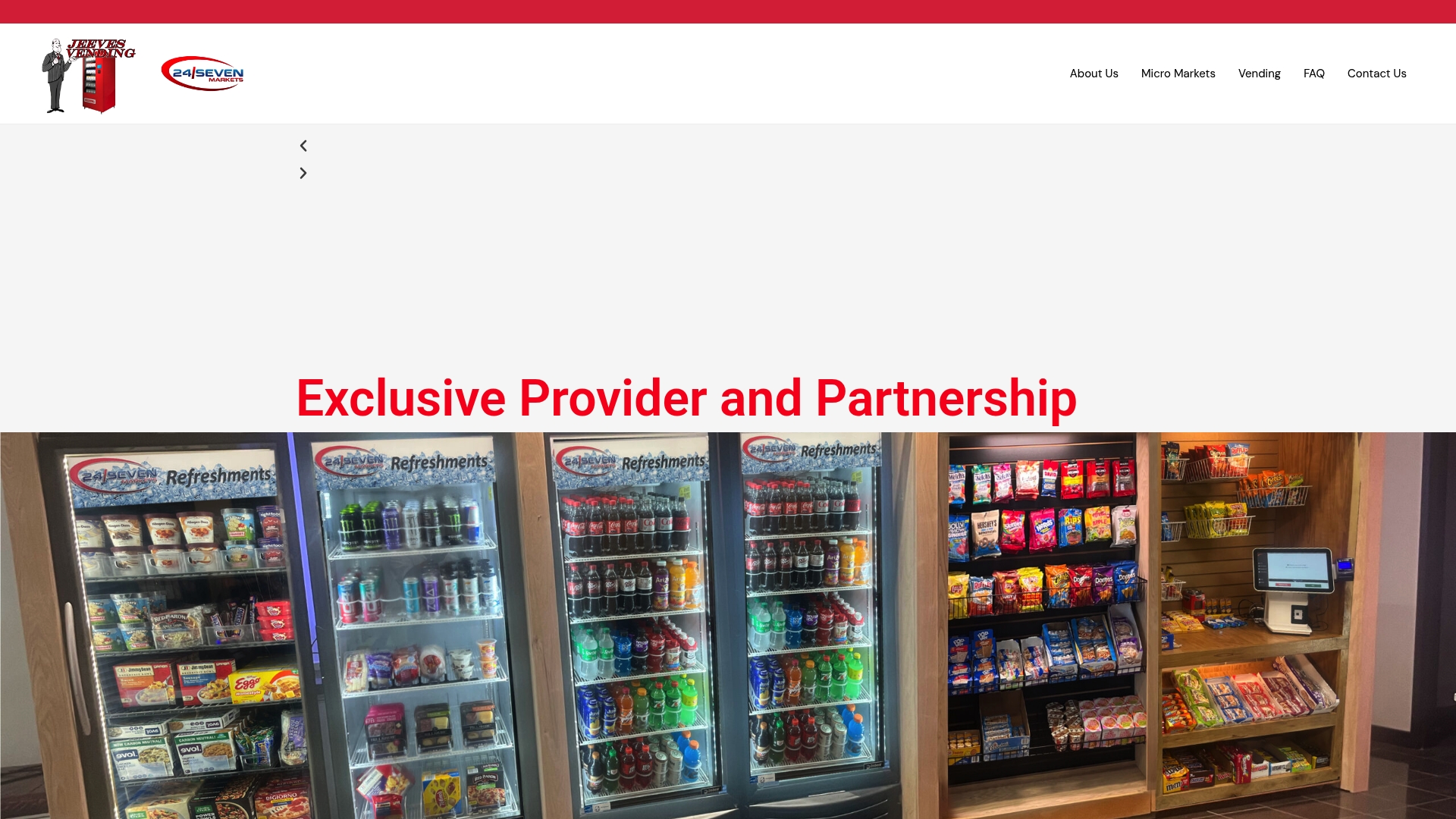
Every machine Jeevesvending places supports mobile payments, student ID integration, and remote monitoring so campus administrators always know what is selling and what needs attention. The product mix is tailored to each location, whether that is a K-12 school following USDA Smart Snacks standards or a university student center focused on wellness. Contact Jeevesvending to discuss a vending setup built around your students’ actual habits and needs.
FAQ
How do student vending habits differ from adult vending habits?
Students make faster, more impulse-driven purchases than adult workers, prioritizing convenience and portability over price. Gen Z students also show stronger preference for cashless payments and health-conscious options than older demographics.
What payment methods do students prefer at vending machines?
Students strongly prefer mobile wallets like Apple Pay and Google Pay, along with QR codes and student ID-linked accounts. Cash is the least preferred option among Gen Z campus users.
How do USDA Smart Snacks regulations affect school vending machines?
USDA Smart Snacks standards limit fat, saturated fat, sodium, and sugar in all foods sold during school hours, including vending items. Upcoming 2027 federal updates will add added sugar limits as a new regulated category.
Can vending machines actually influence students to choose healthier snacks?
Yes. A single sensory nudge like a nature image or a scent near the machine raises healthy snack selection from 14% to as high as 45%. Using more than one nudge at the same time reduces that effect due to cognitive overload.
How can schools monitor student vending machine usage effectively?
Smart vending machines with remote monitoring systems capture real-time sales data, restocking needs, and peak usage times. Linking machines to student ID payment systems adds an additional layer of purchasing data for campus planners.