
The best keto office snacks are shelf-stable, high in protein or fat, and low in net carbs: jerky, cheese crisps, nuts and seeds, protein chips, low-sugar protein bars, canned fish pouches and hard cheese. Perishables like hard-boiled eggs, deli roll-ups and yogurt work too, but only if you have a fridge and follow basic food safety rules. Below you will find real numbers per serving, a label-reading routine, storage rules and a plan for getting keto-friendly options into your workplace without buying anything yourself.
TL;DR
- Aim for snacks with roughly 6 g of net carbs or less per serving. That is the ceiling the Keto Certified program uses for snack products.
- Shelf-stable winners: beef jerky, cheese crisps, protein chips, nuts, seeds, and canned fish or chicken pouches. None needs a fridge.
- Read the label: net carbs equal total carbohydrate minus fiber, and processed “keto” snacks are not automatically a good choice.
- Perishable snacks (eggs, cheese, meat roll-ups) must not sit out for more than two hours, or one hour above 90°F.
- If you manage a workplace, a vending machine or micro-market can carry these items at no upfront cost to you.
Table of Contents
- What makes a snack keto, not just low-carb
- How to read a label in ten seconds
- Shelf-stable keto snacks for your desk
- High-protein, low-carb picks that need a fridge
- Storing and serving keto snacks safely at work
- Keeping variety and dietary needs in mind
- Our perspective: what keto snackers want from a workplace machine
- Getting keto snacks into your workplace for free
- A simple way to decide what to stock
- FAQ
- Sources
What makes a snack keto, not just low-carb
“Low-carb” is a loose label. “Keto” is stricter and fat-forward. Diet Doctor defines keto as under 20 grams of net carbs a day, while broader very-low-carb diets are described clinically as under 10% of energy, or about 20 to 50 grams of carbs daily. A general low-carb eater might be comfortable at 100 grams a day. Someone on keto has a much smaller budget, and every snack spends part of it.
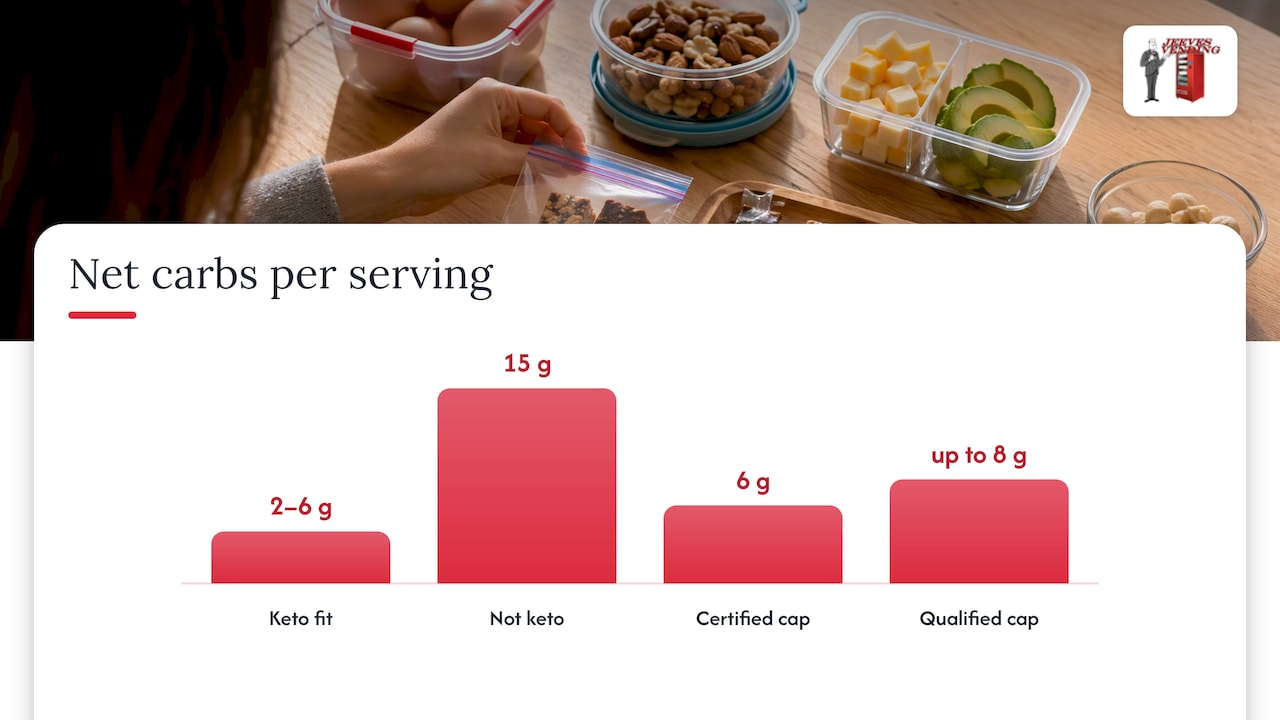
That is why the per-serving number matters. The Keto Certified standards generally cap snack products at 6 g of net carbohydrates per serving, or up to 8 g for products made with whole-food or reduced-digestibility ingredients. Use that as a practical yardstick: if a snack lands at 2 to 6 g, it fits. If it is 15 g, it does not, however “healthy” the packaging looks.
Fat matters too. Keto leans on fats such as olive oil, nuts, seeds and avocado, which help make meals filling. A snack that is merely low in carbs, like a plain rice cake alternative or a few celery sticks, will leave you hungry by 3 p.m. The best keto office snacks pair low carbs with protein, fat, or both.
How to read a label in ten seconds
Net carbs are total carbohydrate minus fiber. Check four lines on the Nutrition Facts panel:
- Serving size. Is the bag one serving or three? Many snack bags quietly contain two or more.
- Total carbohydrate and fiber. Subtract fiber from total carbs.
- Sugar. A snack can have low net carbs on paper and still be sweet and highly processed.
- Protein and fat. These are what keep you full.
One caution: UCLA Health advises against treating net carb math as a license to eat processed snacks, and recommends prioritizing whole foods that are naturally high in fiber and low in sugar. In practice, build most of your snack drawer from nuts, cheese, eggs and fish, and treat bars and chips as the convenient backup.
If you have diabetes, take medication that affects blood sugar, or are pregnant, talk with your doctor or a registered dietitian before you cut carbs sharply. A snack list is not a treatment plan.
Shelf-stable keto snacks for your desk
No fridge in your office? You are in good company, and you still have plenty of choices. The USDA’s food safety service lists hard cheese, canned meat and fish, peanut butter and pickles among foods that do not require refrigeration. Here is how the desk-friendly categories compare, using figures published by retailers, manufacturers and a recipe publisher:
| Snack | Protein | Carbohydrate | Notes |
|---|---|---|---|
| Teriyaki beef jerky, 1 oz | 17 g | 2 g | Check sodium and sugar on the bag |
| Cheese crisps, 1 crisp | 8 g | 1 g | Crunchy chip replacement |
| Protein bar (Protein One Peanut Butter Chocolate Fudge), 27 g bar | 10 g | 11 g total, 5 g fiber, 2 g net per the listing | Sweet-tooth option |
| Protein puffs, 1 cup | 21 g | 2 g | Light, crunchy, easy to portion |
| Protein chips, 1.31 oz bag | 14 g | 3 to 4 g net | Closest thing to a chip |
Three more categories round out a desk drawer: nuts and seeds, single-serve nut butter packets, and unopened pouches of shelf-stable tuna, salmon or chicken. A keto-focused storage guide notes that jerky labeled for room-temperature storage and single-serve nut or seed butter packets can travel without refrigeration.
Nuts deserve a quick word on portions. They are fat-forward and fill you up, but calories add up quickly and some varieties (cashews, for example) carry more carbs than almonds or pecans. Pre-portioned single-serve packs beat dipping into a large tub.
A realistic keto snack drawer
If you want a starter kit for one person, this covers a work week without a fridge:
- One bag of jerky or meat sticks
- One box of cheese crisps
- Two or three protein chip bags
- Single-serve almond or peanut butter packets
- A small tin or pouch of tuna or salmon
- A bag of mixed nuts, pre-portioned
- A couple of protein bars for emergencies
Rotate flavors. Variety is the thing that keeps people on a plan, and boredom is the thing that sends them to the candy dish.
High-protein, low-carb picks that need a fridge
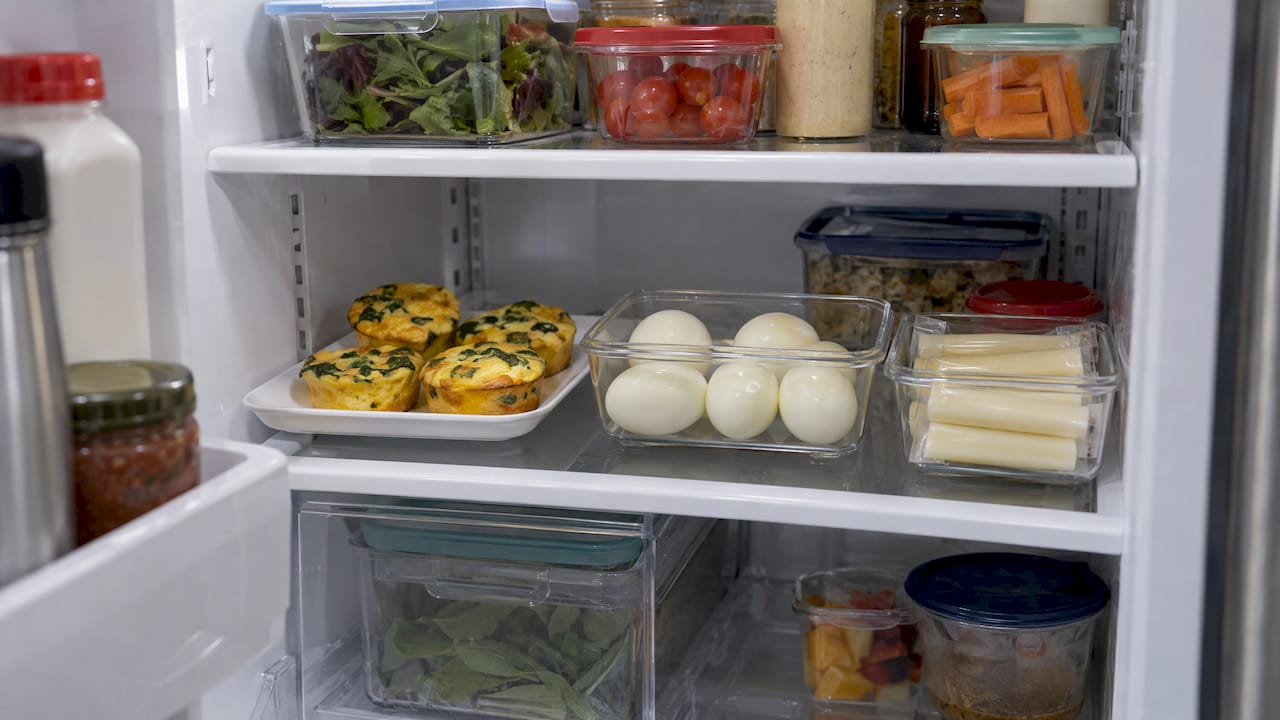
If your office has a refrigerator, you can add fresh options that are cheap and filling. Taste of Home puts egg salad at 13 g protein and 3 g carbohydrate per half cup, and mini spinach frittatas at 10 g protein and 4 g carbohydrate each. Other classic choices include hard-boiled eggs, string cheese, cheese cubes, turkey pepperoni, pickle spears, Greek yogurt (plain, since flavored versions carry added sugar) and deli turkey rolled around cheese.
A note on processed meats: the American Heart Association recommends protein mostly from plant sources, regular fish and seafood, and lean unprocessed meat or poultry, and says to minimize processed meats, jerky included. A sensible reading for the office: keep jerky as an occasional convenience, and lean on eggs, fish, nuts, seeds and cheese for everyday snacking.
Storing and serving keto snacks safely at work
The shelf-stable list is easy. The fridge list needs rules, because eggs, cheese, meat and dairy are exactly the foods that go wrong when left out.
- Two-hour rule. Perishable foods should not sit at room temperature for more than two hours, or one hour when temperatures exceed 90°F. That includes the conference-room tray left out after a meeting.
- Fridge temperature. The FDA says to keep refrigerators at 40°F or below and freezers at 0°F or below. A cheap appliance thermometer on the shelf tells you if the office fridge is keeping up.
- Commuting with perishables. USDA suggests an insulated lunch bag with at least two cold sources for perishable foods.
- Cover and check. Keep leftovers in sealed containers and look over what is stored regularly, per FDA guidance on storing food safely.
- After a power outage. That same FDA page says perishable food that has been above 40°F for four hours or more should be thrown out.
If you are the person who owns the office fridge, a visible cold food storage poster near the door is an easy reminder for everyone about what goes where and how long it can stay.
Keeping variety and dietary needs in mind
Keto is one preference among many in a workplace. In any given team you might have vegetarians, people with nut allergies, someone avoiding gluten and a colleague who simply wants pretzels. The American Heart Association’s workplace toolkit suggests that employers assess their food environment, ask staff about preferences and food allergies, and offer a range of healthier options, while consulting food and beverage vendors.
For reference on what “healthier” can mean, the CDC’s food service guidelines for federal facilities recommend that packaged vending snacks have 0 g of trans fat and no more than 200 mg of sodium per package. The same guidelines allow exemptions from saturated fat limits for nutrient-dense foods including nuts, seeds, nut and seed butters, and reduced-fat cheese. That matters for keto: the foods that fit a low-carb plan are often the ones that those guidelines treat as acceptable exceptions, so a keto-friendly shelf and a health-minded shelf overlap more than people expect.
The practical takeaway: do not make a “keto-only” machine. Make a balanced one where keto, high-protein and traditional options sit side by side.
Our perspective: what keto snackers want from a workplace machine
We stock and service vending machines and micro-markets, and the pattern is consistent: people on low-carb plans are not asking for a special diet menu. They want two or three reliable answers to the 3 p.m. slump that do not blow up their day. Protein-forward snacks tend to be the ones that serve them, and also the ones that serve everyone else, including gym-goers, shift workers and anyone skipping lunch.
So our advice to a host business is simple. Start with a protein-first core: jerky and meat sticks, cheese crisps, protein chips, nuts and bars with modest sugar. Add a few traditional favorites so the machine appeals to the whole building. Use remote stock monitoring to see what actually sells, then adjust. If keto items move, give them more space. If they sit, swap them for something else. Nothing about a machine needs to be permanent.
If you want to see how we think about protein products specifically, our guide to protein snacks for vending goes through examples that sell. For the HR side of choosing what goes in, see our notes on an employee vending policy that covers FDA labels and contracts without banning anyone’s snacks.
— Gary
Getting keto snacks into your workplace for free
Buying jerky and cheese crisps by the case for a whole office is a hassle, and unsold perishables become a food waste problem. If you manage a workplace in the Dallas-Denton area, there is an easier route. Jeeves Vending installs and manages modern vending machines and custom micro-markets at no upfront cost to the host business. We handle stocking, maintenance and remote monitoring, and you tell us what your people want, including low-carb and high-protein items.
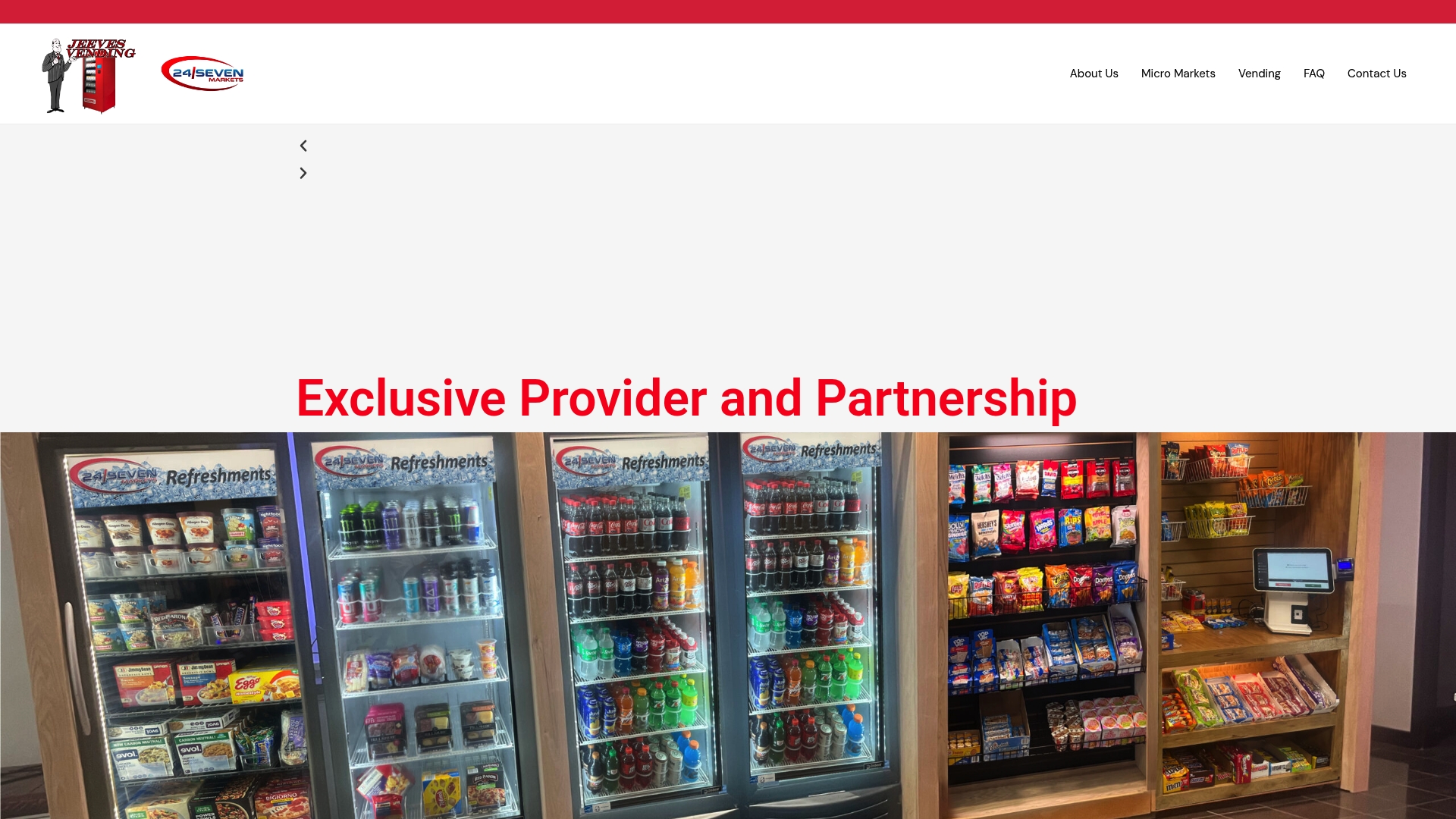
Learn how our free full-service vending program works, look at our micro-market options for larger teams, or see fresh food and coffee vending if you want refrigerated choices like eggs, cheese and protein boxes. Or start from jeevesvending.com and tell us about your location.
A simple way to decide what to stock
Whether you are filling your own drawer or briefing a vending provider, this short routine works:
- Set the carb ceiling. Pick a per-serving net carb limit, such as 6 g, and use it for every item.
- Check protein and fiber. Favor snacks with at least 8 to 10 g of protein that will keep you full.
- Sort by storage. Shelf-stable goes in the desk or machine; perishables go in a fridge or a refrigerated unit.
- Watch sodium and sugar. Low carbs do not make a snack healthy on their own.
- Ask your team. A two-question survey (preferences and allergies) beats guessing.
- Review monthly. Track what sells or gets eaten and trade out the rest.
FAQ
Are keto snacks the same as low-carb snacks?
Not exactly. Low-carb is a broad range, while keto usually means keeping net carbs very low, under about 20 grams a day by Diet Doctor’s definition. A keto snack also tends to be higher in fat or protein, so it keeps you full. Check net carbs per serving rather than trusting the front-of-pack label.
What keto snacks can I keep at my desk without a fridge?
Jerky labeled for room-temperature storage, cheese crisps, nuts, seeds, single-serve nut butter packets, protein chips and unopened tuna or chicken pouches all work. USDA also lists hard cheese and canned fish or meat as not requiring refrigeration. Keep them sealed and out of direct sun.
How long can eggs or cheese sit out at the office?
No more than two hours, or one hour if the room is above 90°F. After that, throw them out rather than refrigerating them again. Keep your office fridge at 40°F or below.
Are protein bars and chips marketed as keto really keto-friendly?
Some are, but check the numbers. Net carbs are total carbohydrate minus fiber, and a bar with 2 g net carbs fits easily while a sugary “low-carb” bar may not. UCLA Health suggests building most of your snacks from whole foods and using processed products sparingly.
Can our workplace get keto-friendly vending options?
Yes. Jeeves Vending can stock machines and micro-markets in the Dallas-Denton region with protein-forward and low-carb items alongside regular favorites, at no upfront cost to the business. Tell us your team’s preferences and we will build the mix around them.
Sources
- KETO Certified Standards, Paleo Foundation (2020)
- How low carb is keto? Diet Doctor
- Keto Office Catering guide, Zerocater
- 20 Low-Carb, Keto-Friendly Snacks, Nutrition Advance
- Net carbs are carbs minus fiber and sugar alcohols, UCLA Health
- Keeping “Bag” Lunches Safe, USDA FSIS
- 14 Best High-Protein Low-Carb Snacks, Taste of Home
- Protein One Peanut Butter Chocolate Fudge bars, Kroger
- Protein Puff Snacks, TPI Foods
- Protein Chips listing, Walmart Business
- High-Protein Keto Snacks: Labels, Storage & Ideas, 247-Keto
- Tips to Reduce Food Waste, FDA
- Are you storing food safely? FDA
- Use an Insulated Lunch Bag to Keep Meals Safe, USDA
- Picking Healthy Proteins, American Heart Association
- Healthy Food and Beverage Toolkit, American Heart Association
- Food Service Guidelines for Federal Facilities, CDC